
The Fitbit Air caters specifically to athletes like climbers and weightlifters who require data collection without the physical bulk of a smartwatch. This device marks a turning point in how consumers perceive wearable technology, shifting from oversized wrist computers toward specialized tools that blend into the user’s physical movement. By 2026, the wearable market has effectively bifurcated into high-interaction hubs and silent background monitors, reflecting a more nuanced understanding of personal ergonomics. This maturity follows a period where the industry sought a singular “do-it-all” device, but user feedback has steered manufacturers toward a more diversified portfolio. Today, the integration of biometric sensors into everyday life is no longer a novelty but a foundational requirement for health management. Whether it is through a ring on a finger or a sleek band, the goal is now seamless data harvesting that doesn’t compromise style or comfort. This era of wearables is defined by their ability to provide deep physiological insights while remaining almost entirely invisible to the casual observer or the active user.
High-Interaction Systems: The New Smartwatch Standard
The Apple Watch Series 12 and Ultra 4 currently define the high-end segment of the market, serving as sophisticated secondary hubs for the broader iOS ecosystem. The Series 12 introduces a revolutionary Health Sensing System that utilizes multi-spectral light paths to provide heart rate accuracy previously reserved for clinical environments. Beyond mere hardware enhancements, the software integration within watchOS 27 leverages local AI processing to transform raw numbers into contextual life coaching. For instance, the system might suggest an early bedtime based on subtle fluctuations in autonomic nervous system activity. Meanwhile, the Ultra 4 targets power users who demand extreme durability and extended battery performance for multi-day expeditions. These devices have transitioned from simple notification centers to proactive health guardians that can predict potential fatigue before it occurs. The investment required for these premium models reflects their role as the primary interface for an increasingly integrated digital life.
Samsung has followed a similar path of refinement with the Galaxy Watch9, focusing on a harmonious balance between medical-grade diagnostics and physical comfort. The “cushion silhouette” design philosophy addresses the common complaint of wrist fatigue, allowing for truly seamless 24/7 wear that is essential for long-term data consistency. A significant advancement in this generation is the inclusion of sophisticated Sleep Apnea detection and Daily Cardio Load metrics, which move the conversation away from vanity steps toward genuine wellness indicators. For the Android community, specifically those within the Galaxy hardware environment, this watch serves as an indispensable tool for proactive health management. It uses machine learning to synthesize various data points into actionable lifestyle advice, such as suggesting specific breathing exercises during periods of high stress. The competitive pricing of the Galaxy Watch9 ensures that advanced health monitoring remains accessible to a wide demographic.
Minimalist Design: The Surge of Smart Rings
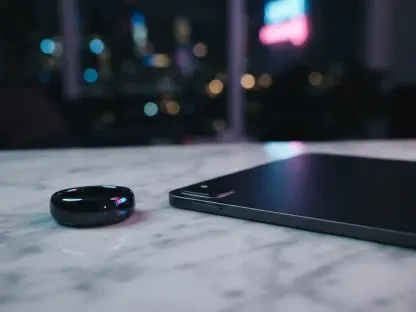
Smart rings have established themselves as the premier choice for individuals who prefer the benefits of wearable technology without the persistent distraction of an additional screen. The Oura Ring 5 leads this category, constructed from aerospace-grade titanium to provide a lightweight yet exceptionally durable form factor. It tracks over fifty distinct health metrics, ranging from blood oxygen saturation to body temperature variations, all while maintaining the appearance of traditional jewelry. This platform-agnostic approach allows users to remain within their preferred mobile ecosystem without sacrificing data depth. However, Oura’s business strategy introduces a unique dynamic to the market through its reliance on a subscription-based model. To unlock the full potential of its predictive analytics, users pay a recurring fee that funds the continuous development of AI-driven health reports. This shift suggests that the value of modern wearables is increasingly found in the interpretation of data rather than the hardware.
The Samsung Galaxy Ring provides a direct alternative that emphasizes tight integration with the existing Samsung Health application, offering a more streamlined experience for Galaxy users. One of its standout features is the implementation of intuitive gesture controls, such as a “double-pinch” motion that can remotely trigger a smartphone camera or silence a morning alarm. This functionality bridges the gap between passive monitoring and active device control without requiring a bulky display. By leveraging AI to provide personalized habit suggestions based on sleep quality and daily activity levels, the Galaxy Ring has become a significant player in the pursuit of holistic wellness. Its lower price point compared to some luxury competitors makes the smart ring form factor more accessible to the general public, encouraging a broader adoption of screen-free technology. This trend highlights a growing segment of the population that seeks to disconnect from digital noise while still benefiting from health tracking.
Specialized Functions: The Role of Screenless Trackers
Garmin continues to distinguish itself by catering to specific athletic disciplines, ranging from diving to golf, with the Venu 4 standing out as their most versatile lifestyle model. It bridges the gap between a specialized sports tool and an everyday accessory, featuring a battery that lasts up to 12 days on a single charge. This longevity is a critical selling point for users who prioritize performance metrics over the deep smartphone OS integration found in other brands. The Venu 4 includes over 80 dedicated fitness apps and the Garmin Coach training system, which provides real-time feedback during workouts. It appeals to users who require detailed fitness coaching and robust tracking across dozens of activities without the need for constant recharging. By focusing on the durability and accuracy that athletes expect, Garmin has maintained its dominance in the fitness-first wearable market. This device proves that there is still a significant demand for robust, high-performance hardware that prioritizes utility.
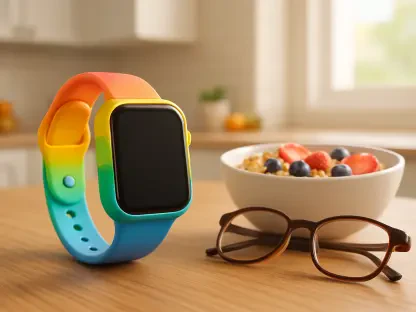
Building on the success of minimalist designs, screenless fitness bands like the Google Fitbit Air offer a distraction-free alternative for those who find watches bulky or rings too restrictive. These devices are particularly popular among athletes such as climbers and weightlifters who need full wrist mobility but still want to track their vital signs during intense physical exertion. By removing the display entirely, these trackers focus on core metrics like heart rate and sleep patterns while providing a much more affordable entry point into the market. The Fitbit Air’s lightweight construction ensures it can be worn during any activity without fear of damage or discomfort. This approach reflects a broader market trend toward specialized niches, where the device is tailored to the specific physical requirements of the user’s hobby or profession. As this sector grows from 2026 to 2028, the industry will likely see even more specialized iterations that cater to unique health conditions, further solidifying the wearable as a lifelong health companion.
Strategic Insights: Actionable AI and Ecosystem Continuity
Building on the technological foundation of 2026, the primary market differentiator has shifted from raw sensor specifications to the quality of predictive AI insights. The introduction of unified “Readiness” and “Recovery” scores across various brands signifies a move toward a more holistic understanding of human performance. These metrics analyze heart rate variability, sleep quality, and physical exertion to provide a single, easy-to-understand number that dictates how hard a user should push themselves each day. This approach moved the industry beyond the era of simple step-counting and into a phase of proactive health guidance that actually influences daily behavior. Users found that having a digital coach that understood their physiological limits was far more valuable than a device that simply recorded past actions. This evolution forced manufacturers to invest heavily in software and data science, ensuring that the information provided was not only accurate but also practical for the average consumer.
The market proved that the best wearable was the one that fit effortlessly into a user’s existing habits while providing meaningful, low-friction insights. Ecosystem loyalty became the ultimate priority for consumers, as the seamless interaction between devices and smartphones drove retention rates to new heights. For those looking to invest in new technology, the recommended course of action involved evaluating the long-term viability of the associated software platform rather than just the hardware specs. Organizations that successfully integrated their wearables into a larger suite of health and lifestyle services defined the industry’s success throughout the year. Future considerations must now focus on data privacy and the transparency of AI algorithms, as these tools become more deeply embedded in personal health decisions. This strategic shift ensured that wearables evolved into an indispensable component of the global health infrastructure, offering a clear path toward personalized, preventative care.