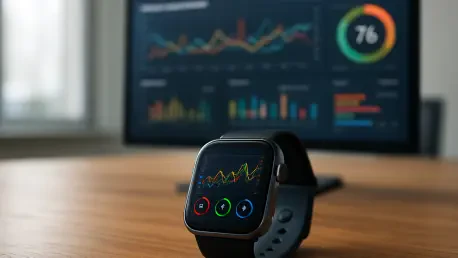

Many seasoned athletes have experienced the frustration of completing a grueling interval session only to realize they never engaged the activity tracker on their wrist. Garmin’s strategic shift toward automated workout detection represents a necessary evolution to maintain its competitive edge against Google and Apple. The Cirqa hardware suite utilizes a high-frequency polling rate for its accelerometers and gyroscopes, allowing it to recognize the unique kinetic signatures of various sports without manual intervention. This proactive approach ensures that the sophisticated algorithms calculating VO2 max and training load are fed a continuous stream of relevant information. By eliminating the silent sessions that often go unrecorded during brief commutes or spontaneous gym visits, the device creates a much more comprehensive map of physiological demands. This consistency is vital for maintaining the accuracy of recovery recommendations, which previously relied on fragmented data sets that often undervalued low-intensity movements.
Technical Architecture: The Science of Detection
Sensor Fusion: Precision in Motion
The underlying logic of the Cirqa system relies on a process known as sensor fusion, where data from multiple hardware points are synthesized to produce a single, high-fidelity interpretation of human motion. Unlike earlier iterations that merely counted steps, the current implementation leverages deep learning models to distinguish between rhythmic movements like rowing and the erratic patterns of functional fitness. This specificity allows the device to automatically populate the workout calendar with high confidence, reducing the cognitive load on the user who no longer needs to manage the interface during intense physical exertion. By analyzing the velocity and trajectory of the limb, the software can even estimate resistance levels based on heart rate variability and movement speed. This level of granularity is essential for competitive athletes who require precise tracking of their periodization cycles and need to ensure that their digital training log reflects the actual intensity of their daily gym sessions.
Real-Time Analysis: Closing the Data Gap
Beyond just recognizing that an activity occurred, the system addresses the critical issue of data latency and post-activity reconciliation. When a user completes a set of push-ups or a short sprint to catch a train, the Cirqa identifies the spike in metabolic rate and cross-references it with the movement pattern to log an automated event. This event is not just a placeholder; it is fully integrated into the Training Readiness score, adjusting the recovery window in real-time. Without this feature, users often faced a Body Battery mismatch, where their perceived fatigue did not align with the optimistic data displayed on their watches. By filling these intermittent gaps, the technology provides a more honest reflection of the user’s physical state, preventing the overtraining injuries that occur when hardware underestimates cumulative stress. This ensures that the transition between life and training remains fluid, allowing the technology to serve as a silent observer that captures effort.
Strategic Impact: Ecosystem and Athlete Performance
Unified Intelligence: The Garmin Connect Hub
Integration within the broader Garmin Connect environment has transformed the Cirqa from a standalone sensor into a central hub for health intelligence. This connectivity allows for the cross-pollination of data points, where automated workout logs influence nutritional recommendations and sleep hygiene protocols. For instance, if the device detects a high-intensity session late in the evening, it automatically adjusts the suggested bedtime and provides insights on how late-day cortisol spikes might affect deep sleep cycles. This level of predictive analysis was previously reserved for professional lab environments but is now accessible to the average consumer. The move toward a more autonomous data collection model also enhances the utility of third-party integrations, such as those with dietary tracking apps or electronic health records. By providing a clean, uninterrupted stream of activity data, Garmin has positioned itself as the primary source of truth for an individual’s metrics.
Future Readiness: Reliability and User Evolution
Manufacturers recognized that the future of wearable tech depended on removing the barriers between the user and their data. Garmin responded by prioritizing the Cirqa’s ability to function as a background utility, ensuring that the technology worked for the human rather than the human working for the technology. Athletes who adopted these automated workflows found that their longitudinal data became significantly more reliable, as the omission of short-duration sessions ceased to skew their weekly averages. Moving forward, the focus shifted toward refining the sensitivity of these triggers to prevent false positives during non-exercise activities. Users were encouraged to periodically review their automatically logged sessions to fine-tune the recognition settings, thereby improving the system’s accuracy over time. This collaborative approach between the user and the artificial intelligence created a more robust feedback loop, where the device learned specific biomechanical nuances and optimized training outcomes.