
The unexpected discovery of a pre-release technological prototype at the bottom of the Caribbean Sea sounds more like the opening scene of a high-stakes corporate thriller than a standard hardware leak. While the tech industry frequently deals with blurry photos from factory floors or accidental retailer listings, the surfacing of the Google Pixel Watch 5 through a scuba diving excursion near Saint Martin has provided an unprecedented look at the next generation of wearable technology. Randy Pitchford, a prominent figure in the gaming world, shared images of the device after finding it submerged, sparking immediate and intense speculation across the global tech community. This unusual event has effectively bypassed the traditional marketing drip-feed, offering a raw and unpolished glimpse of what Google has been developing in secret for the 2026 hardware cycle.
The objective of this analysis is to synthesize the information gathered from this eccentric discovery and explore the key concepts that define Google’s latest wearable ambitions. By examining the hardware details visible in the leaked images and correlating them with ongoing industry trends, this article addresses the primary questions regarding design, internal processing power, and health integration. Readers can expect to learn how Google intends to leverage custom silicon and refined aesthetics to maintain its competitive edge in a market that increasingly demands a seamless blend of fashion and high-end utility.
The scope of this discussion encompasses the physical characteristics of the prototype, the rumored transition to a proprietary Tensor chip, and the deepening relationship between Google’s hardware and the Fitbit health ecosystem. This incident has acted as a significant catalyst for a broader evaluation of Google’s long-term wearable strategy. It suggests that the company is moving toward a more mature and refined iteration of its smartwatch vision, prioritizing internal efficiency and software harmony over drastic, potentially polarizing external redesigns.
Key Questions or Key Topics Section
What Does the Recent Underwater Discovery Reveal About the Design?
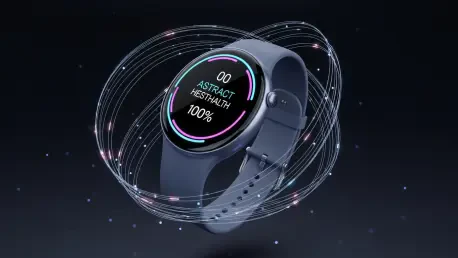
The leaked images of the prototype found off the coast of Saint Martin indicate that Google is doubling down on its established design language rather than pursuing a radical aesthetic departure. The signature circular watch face, characterized by its smooth, domed glass and minimalist silhouette, remains the centerpiece of the device. This “pebble” aesthetic has become a defining trait of the Pixel Watch lineup, distinguishing it from the more angular or industrial designs often seen in competing products. The presence of the rotating crown and a single side button suggests that the tactile user experience will remain consistent, favoring a combination of physical controls and touch-sensitive interactions.
However, a closer inspection of the discovered hardware hints at subtle but meaningful refinements intended to enhance the premium feel of the device. Observers have noted that the bezels appear slightly thinner compared to previous models, maximizing the usable screen real estate without increasing the overall footprint of the watch. Such a move toward a better screen-to-body ratio addresses one of the most common critiques of earlier iterations. Moreover, the seamless integration of the glass into the metallic housing suggests improved manufacturing tolerances, which likely contributes to the robust water resistance that allowed the prototype to survive its time on the ocean floor.
Will the Internal Hardware Undergo a Significant Transformation?
While the exterior suggests continuity, the internal architecture of the Pixel Watch 5 is expected to represent the most significant technological leap in the history of the product line. The most consequential development involves the transition to a custom wearable processor based on Google’s proprietary Tensor platform. For the first time, the company is moving away from off-the-shelf components in favor of silicon specifically engineered to optimize the performance of Wear OS. This shift mirrors the strategy Google successfully employed with its smartphone line, allowing for a deeper level of integration between the hardware and the specialized software features that define the Pixel experience.
The introduction of a Tensor-based chip is not merely about increasing raw processing speed; it is about enabling advanced on-device artificial intelligence. By having a processor tailored for the specific workloads of a wearable, the watch can theoretically handle complex tasks like real-time language translation, proactive health monitoring, and sophisticated voice recognition with greater ease. This transition allows Google to exert total control over the “stack,” ensuring that the software and hardware are perfectly tuned to one another. Consequently, this hardware transformation is viewed as a milestone that could set a new standard for performance and responsiveness in the Android wearable ecosystem.
How Does the New Processor Impact Battery Life and Efficiency?
One of the most persistent challenges in the smartwatch market is the trade-off between a feature-rich experience and the longevity of the battery. In the case of the Pixel Watch 5, the rumored Tensor chip is expected to play a pivotal role in addressing “battery anxiety” through superior power management. Rather than simply increasing the physical size of the battery, which would add bulk to the slim design, Google appears to be focusing on the efficiency of the silicon itself. A custom-built processor allows for more granular control over background tasks, ensuring that sensors like the continuous heart rate monitor do not drain energy as aggressively during periods of inactivity.
Furthermore, the optimization provided by the Tensor platform should allow for more efficient handling of the “Always-on Display” and other power-hungry features. By utilizing lower-power cores for routine tasks and only activating high-performance clusters when necessary, the watch can significantly extend its operational time between charges. This focus on efficiency reflects a broader industry trend where intelligent software and optimized hardware are seen as the primary solutions for maintaining a sleek form factor while providing multi-day battery life. For the user, this means a device that is more reliable for long-term health tracking and sleep monitoring without the need for daily charging interruptions.
What Health and Fitness Advancements Can Users Expect?
Health and wellness continue to serve as the foundational pillars of the Pixel Watch identity, and the fifth iteration is poised to deepen the integration with the Fitbit ecosystem. The sensors visible on the rear of the scuba-discovered prototype suggest a sophisticated array of biometric tools designed for precision and depth. While core metrics like heart rate and blood oxygen levels remain standard, there is strong speculation that the new hardware will support advanced features such as blood pressure estimation and more nuanced stress recovery tracking. These advancements are intended to move the device from a passive data collector to an active health consultant.
The real innovation, however, lies in how the watch interprets this data using AI-assisted insights powered by the internal Tensor chip. Instead of presenting a wall of statistics, the Pixel Watch 5 is expected to offer personalized fitness coaching and health recommendations that adapt to the user’s daily habits and physiological state. For example, the device could analyze sleep patterns and recent activity levels to suggest the optimal time for a workout or a period of rest. By processing these insights locally on the device, Google ensures a faster response time and a higher level of data privacy, making the watch a more integral part of the user’s overall wellness strategy.
How Does This Release Fit Into the Broader Ecosystem Strategy?
The anticipated release of the Pixel Watch 5 in late 2026 is strategically timed to coincide with the launch of the Pixel 11 smartphone series. This synchronized schedule underscores Google’s commitment to building a cohesive and interconnected hardware ecosystem where each device enhances the value of the other. By positioning the watch as a seamless extension of the phone, Google encourages brand loyalty and provides a unified user experience that rivals the walled gardens of its primary competitors. This strategy allows the watch to act as a secondary interface for the phone’s most essential functions, from managing notifications to controlling smart home devices.
In terms of market positioning, this release is widely viewed as a product of thoughtful refinement. Rather than attempting to disrupt the market with unproven innovations, Google is focusing on perfecting the existing formula by addressing specific user pain points identified in previous generations. The potential for multiple size options and the improvement of display durability are subtle changes that contribute to a more premium and versatile product. This approach aligns with the consensus that the smartwatch market has reached a level of maturity where reliability, design elegance, and seamless software integration are the most valued attributes for the modern consumer.
Summary or Recap
The emergence of the Google Pixel Watch 5 from its underwater hiding place has provided a comprehensive preview of Google’s wearable direction for the current year. The hardware continues to champion a minimalist, circular aesthetic, yet it conceals a major internal shift toward custom Tensor silicon. This move toward proprietary hardware is designed to unlock new levels of efficiency and enable advanced on-device AI capabilities that were previously unattainable. By focusing on the optimization of the relationship between Wear OS and the underlying hardware, Google aims to resolve long-standing issues regarding battery life and system responsiveness.
Furthermore, the integration with Fitbit remains a central theme, with the new model likely introducing more sophisticated biometric sensors and AI-driven health insights. The synchronized launch alongside the Pixel 11 series reinforces the idea of a unified digital life, where the watch serves as a critical node in a larger technological ecosystem. These insights suggest that the Pixel Watch 5 is not just a marginal upgrade, but a calculated step toward establishing Google as a leader in high-performance, health-focused wearable technology. The overall narrative is one of refinement and maturity, focusing on the needs of the discerning user who values both style and substance.
Conclusion or Final Thoughts
The saga of the “scuba-diving leak” ended up being a fascinating prelude to what is shaping up to be a landmark release in the wearable sector. The incident highlighted the intense public interest in Google’s hardware and provided a rare moment of transparency in an often secretive industry. As the details settled, it became clear that the focus shifted from the novelty of the discovery to the impressive technological foundations of the device itself. The transition to custom silicon represented a bold declaration of independence, signaling that the company was ready to take full responsibility for every aspect of the user experience.
Reflecting on these developments, it was evident that the industry moved past the era of experimental smartwatches and into a phase of deliberate, high-quality execution. The Pixel Watch 5 stood as a testament to the idea that the most successful technology is often that which blends seamlessly into a person’s life while providing powerful, invisible support. For those who followed the story from the first underwater images to the eventual official unveiling, the journey served as a reminder of how quickly the wearable landscape evolved to prioritize holistic health and intelligent design. This progression encouraged a closer look at how these devices could truly empower individual well-being through smarter data and better integration.