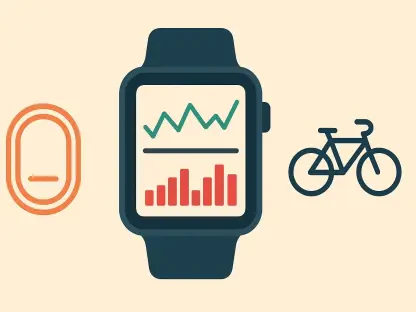

The invisible infiltration of microscopic plastic particles into the deepest recesses of the human anatomy has transformed from a theoretical environmental concern into an urgent physiological crisis that demands immediate diagnostic innovation. As aquatic ecosystems currently struggle with an influx of over twelve million tons of plastic waste annually, these persistent pollutants have successfully migrated from polluted waterways and soil into human biological tissues. Experts at Stanford Medicine have highlighted that the presence of these foreign materials is not benign; rather, it is increasingly linked to chronic inflammation and significant potential for systemic organ damage. To address this growing threat, researchers at the University of Tartu in Estonia have initiated the development of pioneering wearable technology designed specifically to detect and quantify these internal contaminants. This project marks a departure from traditional, invasive sampling methods, offering a way to monitor the body’s plastic burden through consumer-grade devices. By focusing on accessibility, the team hopes to provide a tool that allows for the early detection of accumulation, potentially preventing long-term health complications before they become irreversible. The shift toward this type of preventative monitoring reflects a broader trend in medicine where the focus moves from reactive treatment to proactive, nanoscale management of environmental toxins.
Spectrometry and the Evolution of Optical Biosensors
The core of this breakthrough lies in the miniaturization of spectrometers, which are sophisticated optical instruments capable of identifying substances based on how they interact with specific light frequencies. This technology operates on a fundamental principle of physics where different polymer types exhibit unique absorption and reflection signatures when exposed to various wavelengths. By directing precise light beams through the skin’s surface, these wearable sensors analyze the resulting backscatter to identify the concentration and type of microplastics present in the bloodstream or underlying tissues. Early prototype testing has demonstrated remarkable accuracy, as researchers successfully identified specific particles beneath layers of synthetic skin designed to mimic human biology. Previously, this level of detailed analysis was confined to specialized laboratories focusing on environmental soil and water samples, but the transition to a wearable format signifies a leap in bio-photonic engineering. The integration of these sensors into everyday accessories like rings or watches would allow for continuous data collection, providing a more comprehensive view of exposure than a single blood test ever could. Moreover, the refinement of these optical patterns has allowed the system to distinguish between various plastic types, such as polyethylene and polystyrene, which is crucial for identifying specific environmental sources.
Future Considerations: Integrating Diagnostics with Sustainable Material Reuse
This shift toward localized, non-invasive health monitoring aimed to democratize access to personal biological data while reducing the reliance on expensive clinical laboratory testing. Lead researcher Kevin Post emphasized that providing individuals with real-time feedback on their plastic exposure could directly influence medical interventions and help shape public policies regarding environmental safety. During the developmental phase, the team prioritized the integration of this sensor technology into existing platforms like smartwatches and rings, ensuring that health tracking remained unobtrusive and continuous. Furthermore, the initiative aligned with broader technological movements toward sustainability, including the utilization of body-heat-powered batteries to maintain long-term device operation. The research phase concluded that high-precision detection must be coupled with aggressive global efforts to reuse materials and eliminate further environmental degradation. This dual strategy provided a comprehensive roadmap for managing the existing internal pollutant crisis while preventing the accumulation of new hazardous particles. Moving forward, the implementation of such technology suggested a need for standardized health metrics that could quantify plastic toxicity levels in the same way we monitor cholesterol or glucose. By bridging the gap between environmental science and personal healthcare, these innovations established a new framework for living safely in an increasingly synthetic world.