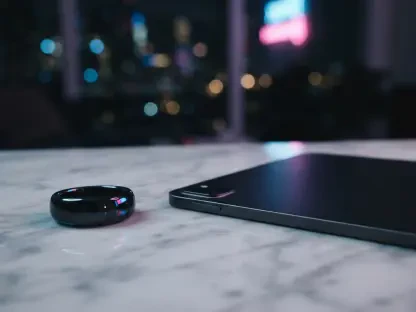

Smart rings have transitioned from niche novelties to core pillars of the wearable industry, offering users a less intrusive method for monitoring vital health metrics. As Berlin hosts the expansive IFA 2026 event from September 4 through September 8, the sprawling halls of Messe Berlin have become a testament to the rapid maturation of personal health technology. While the trade show historically encompassed a vast spectrum of consumer electronics, from high-fidelity audio systems to next-generation kitchen appliances, the current focus has narrowed significantly onto the miniaturization of sensors. This evolution is driven by a growing consumer demand for devices that blend seamlessly into daily life without the social friction of a glowing screen on the wrist. By prioritizing discrete form factors, manufacturers are successfully tapping into a market segment that values long-term wellness tracking over constant digital notifications. The shift underscores a broader industry trend where the sophistication of internal hardware now outweighs the need for flashy visual interfaces.
The Strategic Evolution: High-End Brands and Niche Hubs
A significant transformation has occurred in how the world’s most influential technology giants approach major trade shows, fundamentally altering the atmosphere of the Berlin event. Historically, IFA served as the primary global stage for blockbuster smartphone and smartwatch debuts, yet industry leaders like Garmin, Apple, and Fitbit have increasingly moved toward hosting independent launch ceremonies. This strategic pivot ensures that their flagship products receive undivided media attention, preventing them from being overshadowed by the sheer volume of announcements at a massive consumer exhibition. Consequently, IFA has reinvented itself as a specialized center for experimental and next-generation hardware, particularly in the realms of smart glasses and AI-integrated peripherals. This vacuum left by the traditional heavyweights has provided a unique opportunity for emerging startups to showcase bold, innovative concepts that challenge the established norms of the wearable market.
Amidst these shifting corporate strategies, prominent Chinese manufacturers like Xiaomi and Zepp Health have doubled down on their European presence to capture shifting market shares. Xiaomi has utilized the current exhibition to spotlight its Smart Band 11, a device that pushes the boundaries of the budget fitness category with a high-resolution AMOLED display and advanced biometric sensors. Simultaneously, Zepp Health has perfected the art of counter-programming by organizing satellite events adjacent to the main fairgrounds to unveil the Amazfit T-Rex Dual Solar. This rugged smartwatch has already piqued the interest of outdoor enthusiasts due to its specialized energy-harvesting capabilities and robust construction. By maintaining a high-visibility profile during the week, these brands are positioning themselves as the primary alternatives to the premium Western tech ecosystem, capitalizing on the high foot traffic of international buyers and tech enthusiasts looking for the next big trend.
Advanced Hardware: Finger-Worn Sensors and Connected Ecosystems
The smart ring sector has arguably become the most vibrant segment of the 2026 exhibition, showcasing how much technology can be packed into a single gram of titanium. Companies such as RingConn are leading this charge by moving away from simple step counting toward sophisticated software integrations that offer vascular trend monitoring. This specific advancement allows for the detection of subtle changes in blood flow and arterial health, providing users with actionable medical insights that were previously only available through bulky professional equipment. Other competitors, including the highly touted Ultrahuman and Luna brands, are refining their internal sensor arrays to better compete with high-end recovery tools used by professional athletes. These devices are no longer viewed as mere accessories but as essential components of a proactive health management strategy, proving that the finger is an ideal location for continuous, high-fidelity biological data collection.
In contrast to the screenless minimalist movement, established veterans like Samsung and Withings are demonstrating how wearable data can be integrated into a broader home health ecosystem. Samsung has chosen to emphasize the longevity and display quality of its Galaxy Watch Ultra2, showcasing its ability to function as a central hub for a variety of smart home functions while maintaining exceptional battery life. On the clinical front, Withings has introduced the BodyScan 2, a sophisticated home health station that synchronizes seamlessly with its line of wrist-worn devices. This integration allows for a comprehensive analysis of a user’s physical state, combining body composition data with daily activity levels and cardiovascular trends. The convergence of these technologies suggests that the industry is moving toward a holistic model where individual devices work in concert to create a detailed, longitudinal record of a person’s overall wellness, moving far beyond the era of isolated data silos.
Industry Trajectories: Data Integrity and Future Health Insights
The prevailing theme at the current trade show is a clear industry-wide consolidation around high-fidelity health features that offer deeper physiological insights than ever before. The discourse among developers and consumers has moved past basic “smart” notifications and into the realm of complex analytics, such as heart rate variability and comprehensive vascular health assessments. This shift is evident across the entire spectrum of devices, from the most affordable fitness trackers to specialized, medical-grade sensors designed for specific chronic conditions. The industry’s perceived value now resides in its capacity to provide meaningful, personalized guidance based on scientific data rather than simply delivering digital distractions or repetitive alerts. This focus on data integrity and clinical relevance has become the primary differentiator for brands seeking to maintain relevance in an increasingly crowded and competitive global marketplace.
The exhibition ultimately revealed a market that had successfully diverged into two distinct but complementary paths for personal technology. On one side, the demand for rugged, high-performance devices with extreme battery endurance catered to the adventurous demographic, while the “invisible” tech movement gained momentum among users seeking 24/7 monitoring without the bulk of traditional watches. Stakeholders observed that as the most prominent global brands shifted toward private launch cycles, the Berlin event remained an essential venue for identifying these specialized innovations and understanding the long-term trajectory of the health technology landscape. Industry analysts suggested that the next logical step involved the integration of generative AI to interpret the massive influx of biometric data, transforming raw numbers into conversational wellness advice. This shift moved the focus from mere data collection to real-time behavioral intervention, marking a significant milestone in the evolution of consumer wearables.