
The distinction between hardware ownership and hardware-as-a-service has become a defining factor for athletes choosing between the Speediance Strap and the WHOOP ecosystem. In the current 2026 fitness landscape, the initial fascination with notification-heavy smartwatches has largely given way to a refined appreciation for screenless wearables that prioritize data integrity over digital distractions. This shift reflects a broader consumer trend toward biohacking and performance optimization, where the value of a device is measured by its physiological accuracy rather than its ability to display text messages. Speediance, a company that established its reputation through connected home gym solutions, has strategically pivoted into this space to challenge the long-standing dominance of the WHOOP platform. By offering a hardware-centric model that emphasizes advanced thermal sensing, Speediance aims to capture a segment of the market that feels increasingly alienated by the recurring costs associated with modern fitness technology.
Physiological Innovations and Tracking Metrics
Advancements in Thermal and Metabolic Monitoring
Speediance distinguishes itself through the implementation of heat-flux sensing technology, a significant departure from the skin temperature sensors found in the majority of 2026 wearables. While skin temperature is often influenced by external ambient conditions, the heat-flux method utilized by Speediance—developed in partnership with Swiss sensor specialists—allows for a much more accurate estimation of core body temperature. This data is critical for high-performance athletes who need to understand their internal thermal strain during intense training sessions or recovery phases. The device integrates these readings into specialized features such as the Peak Window, which identifies the optimal time for peak physical performance based on circadian rhythms and internal heat trends. Additionally, the Heat Load Monitoring system provides real-time alerts when thermal strain exceeds safe thresholds, offering a level of safety and metabolic insight that was previously reserved for clinical environments or elite sports laboratories.
Hardware Tiers and Sensor Specialization
The competition extends into the physical construction of the devices, where both brands have introduced tiered hardware options to cater to diverse aesthetic and functional preferences. The Speediance Strap Pro utilizes a high-grade titanium frame that significantly reduces the overall weight of the tracker while enhancing its durability for extreme environments. This premium model also incorporates an Electrodermal Activity (EDA) sensor, designed to measure subtle changes in skin conductance as a proxy for psychological stress and autonomic nervous system activity. Conversely, WHOOP has advanced its high-end Magnesium tier to include hardware capable of capturing medical-grade health insights, such as Electrocardiogram (ECG) data and sophisticated blood pressure trends. This strategic divergence suggests that while Speediance is doubling down on the specialized needs of strength and endurance athletes, WHOOP is leveraging its mature platform to bridge the gap between fitness tracking and comprehensive clinical health monitoring for the general population.
Practical Logistics and Financial Models
Charging Solutions and Data Continuity
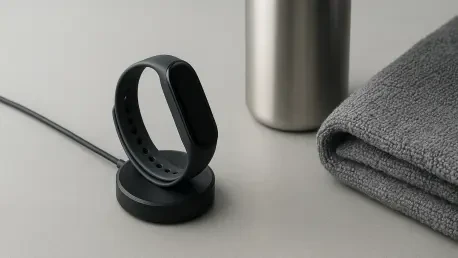
Operational continuity remains a primary concern for users who rely on 24/7 data collection to inform their recovery and strain algorithms. Speediance addresses power requirements with a standard magnetic charging dock, which necessitates the removal of the device for periodic replenishment. Although the battery life is rated for a substantial duration, this removal creates inevitable data gaps where heart rate variability and movement metrics are not recorded, potentially skewing the long-term accuracy of the user’s health profile. In contrast, WHOOP has perfected a system for its premium memberships that utilizes a portable Wireless PowerPack. This accessory slides directly onto the strap while it is still on the wrist, facilitating a completely uninterrupted data stream. This “always-on” philosophy ensures that every physiological fluctuation is captured, providing a more granular and consistent dataset for those who view data continuity as a non-negotiable component of their performance tracking journey.
Ownership Versus Subscription Services
The economic philosophy of these two companies represents perhaps the most significant point of friction for modern consumers. Speediance operates on a traditional ownership model, where an upfront purchase price secures the hardware and the fundamental suite of physiological tracking metrics without the requirement of a monthly fee. While they offer an optional premium service for advanced analytics, the core functionality of the device remains accessible to the owner indefinitely. WHOOP, however, pioneered the Hardware-as-a-Service (HaaS) model, where the tracker is essentially a gateway to a mandatory, subscription-based ecosystem. This model requires an annual commitment that can exceed several hundred dollars, a cost that covers continuous software iterations and access to a highly refined data analysis engine. While the subscription ensures the user always has the latest algorithmic updates, it also creates a permanent financial obligation, making the Speediance model an attractive alternative for those who prefer the simplicity of a one-time investment.
Market Evolution and Future Considerations
The arrival of the Speediance Strap into the competitive landscape of 2026 demonstrated a growing demand for specialized hardware and transparent pricing structures in the wearable market. Industry observers noted that while WHOOP maintained its position as a data-rich powerhouse with superior continuity features, the innovative use of core-temperature sensing by Speediance provided a compelling technical advantage for heat-sensitive training. Those who sought to maximize their performance through thermal regulation and metabolic precision often gravitated toward the Speediance ecosystem, especially when the desire for titanium hardware and ownership outweighed the benefits of a subscription. It was concluded that potential users needed to carefully evaluate whether their priority lay in the seamless, clinical-adjacent insights of an established platform or the specialized, fee-free autonomy of emerging sensor technology. Prioritizing a trial of both platforms’ recovery algorithms was seen as the most effective way for athletes to determine which set of metrics truly correlated with their individual performance outcomes.