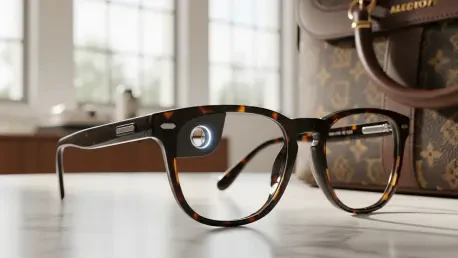

The intersection of high-end Italian aesthetics and sophisticated Silicon Valley software is currently orchestrating a profound shift in how modern consumers perceive wearable hardware. Google is now re-entering the market through a strategic partnership with Gucci, aiming to blend Android XR technology with luxury fashion. This collaboration signals a shift toward a future where hardware is a status symbol, moving away from the utilitarian look of early prototypes. By prioritizing elegance, the venture seeks to turn digital tools into essential wardrobe staples.
From Functional Failures to Fashion-Forward Success
The history of smart glasses was defined by a struggle to balance capability with wearability. Early attempts like Google Glass failed due to awkward designs and privacy concerns. However, the market evolved after competitors proved that consumers embrace smart features when housed in classic frames. This shift demonstrated that design prestige is now the primary gateway for integrating technology into daily life. High-end branding serves as a bridge, making advanced sensors socially acceptable and aesthetically pleasing.
A Critical Analysis: The Google and Kering Partnership
Bridging the Gap: Functional Hardware and Aesthetic Appeal
The alliance aims to overcome the “geek factor” by leveraging Gucci’s brand equity. Android XR is positioned as a lifestyle choice for consumers who value both heritage and innovation. The main engineering challenge remains fitting sensors into elegant silhouettes without compromising brand integrity. Success depends on making the technology feel secondary to the wearer’s personal style.
The Android XR Ecosystem: The Race for Market Dominance
Google is building a comprehensive ecosystem to rival competitors, working with brands like Gentle Monster and Warby Parker. This strategy offers various price points across the market. While performance-heavy headsets exist, the Gucci model represents a long-term play for the high-end sector. This diverse approach ensures the software platform reaches various demographics.
Navigating the Technical Ambiguity: Modern Smart Eyewear
Uncertainty remains regarding whether the 2027 release will feature full AR displays or focus on audio-based AI. Audio-first devices offer better battery life and more discreet designs. The choice between visual immersion and lightweight comfort will determine if the device becomes a daily accessory or a niche luxury item.
Anticipating the Future: The High-End Wearable Industry
Looking toward the 2027 debut, generative AI is expected to be the primary driver for smart glasses. As Micro-LED technology matures, true AR may finally fit within standard frame sizes. Success here will likely turn every major fashion house into a technology provider, blending software directly into the fabric of the luxury industry.
Strategic Takeaways: The Evolving Digital Landscape
Technical superiority was secondary to brand identity in the wearable market. Professionals should focus on “invisible technology” that enhances life without altering personal style. Consumers prioritized ecosystem longevity when choosing their digital wardrobes, ensuring their luxury investments remained compatible with evolving software standards.
Redefining the Boundaries: Style and Technology
The collaboration between Google and Gucci represented a bold move toward seamless human-computer interaction. By merging software ecosystems with design heritage, the firms solved long-standing social acceptance issues. This venture proved that technology could become as timeless as a classic handbag while remaining functionally essential. Stakeholders recognized that the future of wearables depended on emotional connection rather than just raw processing power.