
The rapid evolution of mobile connectivity has transformed the smartphone from a simple communication tool into the central command center for modern personal and professional existence. In this highly competitive environment, the strategic partnership between U Mobile and Vibe Mobile, an emerging Mobile Virtual Network Operator under the management of Elite Links (M) Sdn Bhd, represents a pivotal shift in the Malaysian telecommunications landscape. By designating U Mobile as the primary infrastructure provider, Vibe Mobile gains immediate and comprehensive access to an established 4G and 5G network, bypassing the traditional hurdles of massive physical asset construction and regulatory delays. This agreement encompasses a wide array of essential connectivity services, including high-speed data delivery, domestic and international telephony, and seamless roaming capabilities for modern travelers. The collaboration signals a broader industry trend where network stability is treated as a foundational utility, allowing new players to focus on specific consumer niches.
The Evolution of Infrastructure as a Service
Building the Foundation: U Mobile’s 5G Expansion
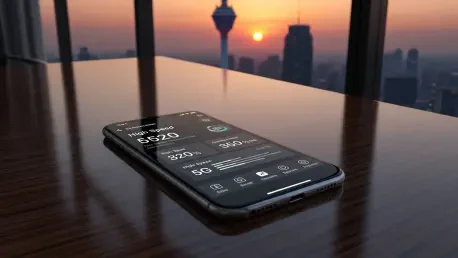
The technical feasibility of this partnership rests heavily on the aggressive infrastructure rollout that U Mobile has undertaken to maintain its competitive edge in the regional market. Having recently achieved a milestone of 82.9% 5G population coverage, supported by an expansive network of 6,737 5G sites nationwide, the company offers a robust backbone that few other providers can match for immediate deployment. This infrastructure allows Vibe Mobile to promise its users a high-quality, low-latency experience that is essential for bandwidth-heavy activities like high-definition streaming and real-time cloud gaming. By leveraging U Mobile’s significant investments in “next-generation” network technology, Vibe Mobile can scale its operations rapidly without the burden of maintaining physical cell towers or fiber optic cables. This model ensures that the focus remains on delivering high-speed performance to a population that increasingly demands ubiquitous and reliable internet access in every corner of the country.
Defining the Brand: The Digital Lifestyle Ecosystem
Under the leadership of CEO Joseph Lim, Vibe Mobile is positioning itself as much more than a traditional mobile carrier, aiming instead to become a comprehensive digital lifestyle ecosystem. The strategy involves moving away from the commodity-based competition of data buckets and minutes to focus on how consumers interact with their digital world through social expression and content consumption. By specializing in brand development and customer engagement, the company seeks to align its service offerings with the specific habits of a modern audience that prioritizes seamless integration across multiple digital platforms. This clear division of labor allows U Mobile to manage the core technical complexities while Vibe Mobile crafts specialized services that resonate with niche markets and lifestyle-driven demographics. This approach reflects a growing realization in the tech sector that the value of a network is no longer just in the connection itself, but in the unique experiences and social interactions that the connection facilitates for the end user.
Market Competition and Strategic Growth
Fostering Innovation: The Wholesale Partnership Model
U Mobile’s decision to act as a central hub for the Malaysian MVNO ecosystem is a calculated move to monetize its network capacity while fostering a more diverse and competitive marketplace. Navin Manian, the Consumer Business Officer at U Mobile, has emphasized that such wholesale agreements are vital for driving innovation and providing consumers with a broader spectrum of choices and better overall value. This strategy is not an isolated incident but part of a larger trend of cooperation between established giants and agile newcomers, as seen in U Mobile’s similar agreements with entities like Eastel and Telekom Malaysia. These partnerships allow the primary network owner to maximize the utilization of its 5G assets while enabling smaller providers to enter the market with localized and highly targeted service packages. Ultimately, this synergy creates a more vibrant telecommunications sector where the constant pressure of competition forces all participants to improve their service quality and explore new ways to engage their respective customer bases.
Setting New Standards: Future-Ready Digital Experiences
The collaboration between these two entities successfully established a blueprint for how infrastructure and branding can work in tandem to elevate the standard of digital living. By moving away from the traditional siloed approach, the industry moved toward a more integrated model where specialized service providers thrived on top of high-performance networks. Businesses and developers looked to these developments as a sign that the market was ready for more sophisticated mobile applications that required consistent, high-speed throughput. Decision-makers in the tech space recognized that the key to future success resided in the ability to balance technical reliability with a deep understanding of consumer behavior and cultural trends. As the digital landscape continued to mature, the focus shifted from simple connectivity to the creation of value-added services that integrated social media, entertainment, and personal productivity into a single, cohesive experience. Stakeholders who prioritized this holistic view of the user journey found themselves better prepared for the next wave of technological disruption in the mobile space.