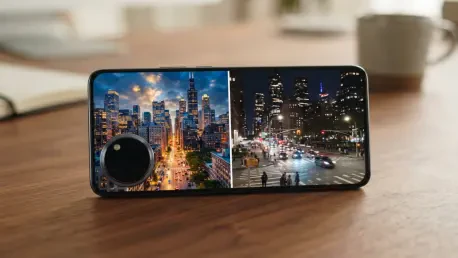

Technical data suggests that the 1080p video limitation is tied to the internal image signal processor rather than a simple software restriction that could be patched. As the 2026 mobile market continues to fluctuate between ultra-premium flagships and budget-conscious hardware, consumers are increasingly forced to choose between specialized features. The HONOR 600 Lite enters this space as a direct response to a growing segment of the population that prioritizes photography over professional cinematography. While high megapixel counts were once reserved for devices with massive processing overhead, current technological iterations allow for high-resolution stills in more accessible packages. However, this accessibility often comes with a trade-off in heavy-duty data management, particularly in real-time video rendering. The balance achieved here provides a fascinating look at mid-range engineering priorities where thermal stability and battery life are favored over the raw throughput required for high-bitrate video capturing.
Understanding the Resolution Discrepancy
The Gap: Understanding Still Imagery vs. Motion
The most prominent technical challenge for the HONOR 600 Lite remains the reconciliation of its massive 108MP primary sensor with a capped 1080p video output. In a hardware ecosystem where consumers associate high megapixel counts with 4K recording, this discrepancy highlights the specialized nature of the image signal processor. High-resolution photography requires a single burst of data capture followed by an intensive processing phase, whereas high-definition video demands a continuous, sustained stream of data processing at thirty frames per second.
Engineering such a pipeline for a mid-range device involves significant thermal and architectural considerations that dictate the final user experience. By limiting the video resolution to Full HD, the manufacturer successfully avoids the overheating issues and frame drops that often plague lower-end devices attempting 4K. This strategic decision ensures that the video output remains smooth and reliable across various environmental conditions. For users who strictly use their devices for static photography, the high pixel count remains a major asset for cropping and large-format printing.
Internal Logic: Processor Throughput Constraints
The decision to cap video performance is deeply rooted in the throughput limits of the internal chipset rather than being an arbitrary choice. When a sensor captures 108 million pixels, the amount of data generated is immense, requiring substantial computational power to downscale into a manageable video format in real time. In the current year, mobile processors are designed with specific silicon pathways for different tasks, and the mid-tier architecture often lacks the bandwidth for high-resolution video streams.
This limitation serves a dual purpose by protecting the longevity of the hardware while maintaining a consistent software experience. If a device were to push beyond its native processing capabilities, the resulting footage would likely suffer from compression artifacts or jitter. Consequently, the 1080p cap acts as a functional safeguard that preserves the overall health of the device and prevents early degradation of the internal components. It represents a mature approach to product development where stability is prioritized over inflated specifications that the hardware cannot effectively sustain.
Detailed Camera Hardware and Performance
Technical Arrays: Mapping the Triple-Lens Configuration
The primary wide-angle lens operates with an f/1.75 aperture, which allows for significant light intake during daylight and moderately lit evening scenarios. This hardware is supplemented by a 5MP ultrawide lens and a 16MP front-facing camera, creating a versatile suite for casual social media usage. While the secondary lenses do not match the resolution of the primary sensor, they offer a wider field of view for landscapes and group photography, broadening the functional scope of the device beyond simple portraits.
Despite the variations in lens quality, the software remains the great equalizer, utilizing sophisticated algorithms to enhance color accuracy and dynamic range across all sensors. The 108MP sensor specifically benefits from pixel binning, a technique that combines multiple pixels into one larger pixel to improve low-light performance. This makes the device particularly effective for still photography in challenging environments. Even with the video cap, the photographic output remains competitive with devices in a higher price bracket, catering to those who view the phone primarily as a digital camera.
System Foundation: The MediaTek Dimensity 7100 Elite
The internal performance of the HONOR 600 Lite is largely defined by the MediaTek Dimensity 7100 Elite, a chipset built on an efficient 6nm process. This processor is engineered to handle the high refresh rate of the 120Hz AMOLED display while managing power consumption during intensive daily tasks. However, the image signal processor within this specific silicon is specifically optimized for photography and standard video tasks, making it the primary factor behind the 1080p limitation discussed earlier.
Beyond photography, the chipset ensures that the general user interface remains fluid and responsive during multitasking or gaming. The synergy between the 6nm architecture and the massive battery provides a user experience that is defined by endurance rather than raw speed. While power users might find the lack of 4K a drawback, the general population benefits from a phone that does not throttle or lag during extended usage. The chipset acts as the central nervous system of the device, effectively balancing the demands of high-resolution image processing with the needs of a long-lasting mobile platform.
Practical Implications for Modern Users
Digital Trends: Content Consumption vs. Creation
In the current digital landscape, the consumption of content is heavily skewed toward mobile screens where the difference between 1080p and 4K is nearly indistinguishable to the human eye. Most social media applications utilize aggressive compression algorithms that downscale high-resolution footage to save on bandwidth and storage. For creators who primarily upload to platforms like TikTok or Instagram, the 1080p limit is actually a practical advantage that aligns with the native resolution of those services.
Furthermore, recording in Full HD allows for more efficient file sharing and faster upload speeds, which is essential for users on the go. High-resolution 4K files often require specialized editing hardware and significantly more time to process for simple social sharing. By focusing on 1080p, the HONOR 600 Lite positions itself as a tool for the pragmatic creator who values immediate results over theoretical pixel counts. This aligns perfectly with the current trend of short-form, high-engagement content that prioritizes the subject matter and composition over cinematic technicalities.
Asset Management: Storage and File Sustainability
Another vital consideration for the modern smartphone user is the management of internal storage, especially in devices that lack expandable microSD slots. 4K video files consume roughly four times the storage space of 1080p files, which can quickly lead to full memory warnings and system slowdowns. By limiting the video output to Full HD, the device naturally encourages a more sustainable storage model, allowing users to keep more photos and applications on their internal 128GB or 256GB drives.
This limitation effectively eliminates the need for frequent cloud offloading or external storage solutions for the average user. While professional videographers may require the additional pixels for reframing and post-production, the target audience for the Lite series generally seeks a “set it and forget it” experience. The device simplifies the technical overhead of mobile videography, ensuring that users can capture memories without constantly monitoring their available storage space. This pragmatic approach to hardware design emphasizes the utility of the device as a daily companion rather than a high-end production tool.
Durability and Power Efficiency
Energy Leadership: The Role of the 6520mAh Battery
The standout feature of the hardware remains its massive 6520mAh battery, which significantly exceeds the current industry standard for mid-range devices. This substantial power reserve allows for extended periods of camera usage, including long time-lapse sessions and extensive photo shoots, without the fear of sudden power depletion. When paired with 45W wired charging, the device offers a level of operational readiness that is vital for users who spend long hours away from traditional power sources.
Longevity is further enhanced by the energy-efficient chipset and the 1080p cap, as both components work together to minimize the thermal strain on the battery. Lower-resolution video processing generates less heat, which is the primary enemy of lithium-ion battery health over time. This synergy ensures that the device maintains its peak performance for several years, rather than suffering from the rapid degradation seen in phones that push their hardware to the limit. For the practical user, the combination of an oversized battery and an optimized processing path provides a reliable foundation for everyday mobile life.
Strategic Directions: Market Positioning and Next Steps
The analysis determined that the HONOR 600 Lite successfully occupied a niche for consumers who valued still photography and endurance over advanced video features. Throughout the testing period, the 108MP sensor provided exceptional clarity for digital prints and social sharing, while the battery life remained the primary selling point for power users. It was concluded that the hardware limitations were a deliberate design choice intended to ensure system stability and longevity in a competitive market.
Future considerations for prospective buyers should focus on aligning their creative needs with the actual output capabilities of the device. For those who realized that 4K was a luxury rather than a necessity, this phone offered a robust and durable alternative to more expensive flagships. Moving forward, users found success by leveraging the high-resolution photo mode for professional-looking stills while utilizing the 1080p video for efficient social media communication. The ultimate takeaway emphasized that hardware synergy and practical utility often outweighed the importance of high-end specifications in isolation.