
Future flagship devices could bridge the gap between legacy simplicity and high-performance requirements by adopting a dual-digital-port architecture standard. This shift addresses the long-standing tension between users who cherish the tactile reliability of the 3.5mm analog jack and the relentless drive for internal hardware optimization. For years, the removal of the dedicated audio port was framed as a necessary sacrifice for larger batteries and slimmer profiles, yet the compromise often left power users stranded without the ability to charge and listen simultaneously. As mobile devices transform into primary workstations for creators and professionals, the limitations of a single-port interface have become an undeniable bottleneck for productivity. The current landscape suggests that the solution is not a return to the past, but a doubling down on digital versatility. By integrating two USB-C ports, manufacturers can finally reconcile the demand for high-fidelity wired connections with the practical need for continuous power delivery in a way that respects modern design constraints.
The Technical Shortcomings of Analog Audio
The traditional 3.5mm jack is fundamentally constrained by the internal hardware of the smartphone, specifically the built-in Digital-to-Analog Converter (DAC) and the software-level audio processing. In most modern mobile operating systems, audio data is frequently downsampled to a standard rate, which effectively strips away the depth and nuance found in high-resolution audio files. This digital-to-analog conversion process within the phone is often an afterthought in the design phase, leading to interference and noise that detracts from the listening experience of high-fidelity enthusiasts. Because the analog port is a static, one-way interface, it cannot adapt to the increasing bitrate demands of contemporary streaming services that offer lossless quality. For the modern audiophile, the inclusion of a legacy analog port often acts as a frustrating bottleneck, forcing a reliance on mediocre internal components rather than allowing for the pure digital handoff that external hardware can achieve with greater precision and clarity.
Beyond the limitations in sound reproduction, the utility-to-space ratio of the 3.5mm headphone jack has reached a point of diminishing returns for hardware engineers. Every cubic millimeter of internal volume within a flagship chassis is a contested resource, where the presence of a deep analog socket directly competes with the expansion of battery cells or the inclusion of more sophisticated camera sensor arrays. Market data from recent cycles indicates that an overwhelming majority of consumers prioritize battery longevity and thermal management over the inclusion of legacy ports that serve only a single function. If forced to choose between an extra hour of screen-on time and the return of the analog jack, the market demand for endurance almost always dictates the removal of the older hardware. Consequently, the 3.5mm socket has become a relic that modern industrial design can no longer afford to accommodate, especially as smartphones transition into high-performance platforms requiring advanced cooling systems and larger energy reservoirs.
Bridging the Gap With USB-C Versatility
USB-C has rapidly emerged as the superior standard for high-end audio transmission because it facilitates a direct digital connection to external processing hardware. By offloading the digital-to-analog conversion to high-quality external DACs, listeners can achieve bit-perfect playback that bypasses the restrictive system mixers of mobile operating systems. This architecture ensures that the sound reaching the user’s ears remains as close to the original studio master as possible, providing a level of transparency that the old analog standard simply could not match without bulky internal circuitry. However, this transition has not been without significant friction, as the industry’s initial move to a single-port model created a persistent frustration gap. The basic inconvenience of being unable to utilize high-quality wired headphones while simultaneously charging a device remains a primary grievance that continues to fuel nostalgia for the headphone jack. This tension illustrates that the issue is not the digital transition itself, but the lack of redundant ports.
The central challenge of the single-port era is the forced compromise between power and peripheral connectivity, a problem that is most effectively solved by moving to a dual USB-C architecture. By placing a second digital port on the device, manufacturers can restore the multitasking freedom that was lost when the analog jack disappeared, while simultaneously offering the vastly superior data transfer rates of the modern digital interface. This configuration allows a user to connect a professional-grade microphone or a set of high-fidelity monitors through one port while maintaining a fast-charging connection through the other, eliminating the need for cumbersome dongles and splitters. Unlike the 3.5mm jack, which is limited to audio signals, a second USB-C port is a multi-purpose asset that can handle video output, high-speed data, or charging interchangeably. This adaptability makes it a much more valuable investment of internal space, providing a future-proof foundation that aligns with the multitasking demands of modern consumers today.
Driving Productivity and Media Production
As mobile platforms continue to introduce more robust desktop environments, such as Samsung DeX and the recent enhancements in Android, the necessity for a second physical port has moved from a luxury to a requirement. Users who attempt to use their flagship smartphones as primary workstations often find themselves limited by the inability to connect essential peripherals like keyboards, mice, and external storage without relying on bulky docking stations. A dual USB-C configuration allows the phone to maintain a dedicated power source while the second port handles high-speed data or display output, effectively transforming the device into a mobile hub. This shift supports a growing trend among professionals who require a seamless transition from mobile use to a full desktop setup without the friction of managing multiple adapters. By providing two points of entry for digital data, manufacturers are acknowledging that the smartphone is no longer just a communication tool but a sophisticated terminal for complex office tasks that require sustained power and high connectivity.
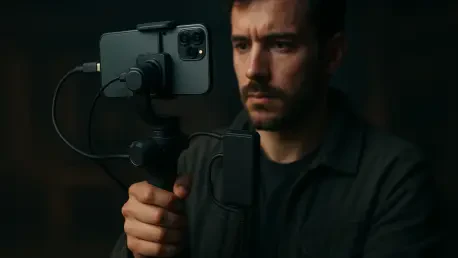
The professional media production landscape has been radically altered by the ability of modern smartphones to capture cinematic video in high-bitrate formats like ProRes RAW. These files are exceptionally large and generate data at a rate that quickly exhausts internal storage, often necessitating a direct connection to an external SSD during the recording process. A dual-port architecture provides a critical safety net for filmmakers, allowing them to keep the device connected to a power bank indefinitely while maintaining a stable, high-speed data link to their external storage drives. This level of utility is something a traditional analog jack could never offer, as it was never designed to handle the multi-gigabit data streams required for professional videography. In this context, the second USB-C port serves as a specialized tool for creators, ensuring that the smartphone can function as a reliable piece of production equipment in high-pressure environments. This pragmatic approach to hardware design prioritizes the needs of power users while still maintaining the clean, modern aesthetic of contemporary flagships.
A New Standard for the Future Flagship
The historical success of dual-port configurations in gaming-centric devices, most notably seen in the Asus ROG Phone series, has already provided the necessary proof of concept for this architectural shift. These specialized handsets demonstrated that placing a second port on the side of the device allows for ergonomic charging during landscape-mode usage while keeping the bottom port free for low-latency wired headsets. This design philosophy proved that users value functionality over the perceived simplicity of a single-port layout, especially when that functionality directly improves the usability of the device in demanding scenarios. Mainstream manufacturers should have observed these trends earlier, as the data suggested that enthusiasts were willing to trade a slight increase in complexity for a significant gain in versatility. By finally adopting this standard across all flagship tiers, the industry moved toward a more mature understanding of what a professional-grade mobile device requires, bridging the gap between legacy connectivity expectations and the high-performance demands of the current era.
Looking ahead, the transition to a dual USB-C standard represented a pragmatic decision that prioritized the long-term utility of the smartphone over the fleeting nostalgia of the 3.5mm jack. For consumers, the actionable path involves investing in high-quality digital peripherals that can take full advantage of these redundant ports, moving away from the stop-gap solution of adapters toward a unified digital ecosystem. Manufacturers had to recognize that the frustration surrounding the loss of the headphone jack was never truly about the physical socket itself, but about the loss of multitasking capabilities. Moving forward, the focus must remain on ensuring that these ports support the latest power delivery and data transfer protocols to maximize their value to the user. By standardizing the dual-port layout, the industry established a new baseline for high-performance mobile computing that respects the diverse needs of audiophiles, creators, and professionals. This evolution ensured that the smartphones of the late 2020s were more capable and user-centric than those produced during the initial transition period.