
Navigating the diverse world of mid-range mobile technology requires a careful evaluation of whether one values rugged survival capabilities or the refined elegance of a modern flagship-lite experience. In the current market, consumers are often forced to choose between a device that can withstand extreme physical environments and one that offers high-end visual and processing performance typically reserved for premium tiers. This dichotomy is perfectly illustrated by the release of the Moto G37 Power and the Samsung Galaxy M56, two smartphones that represent fundamentally different approaches to the mid-range segment. While both devices aim to capture the attention of value-conscious buyers, they do so by prioritizing different sets of features. The decision-making process for potential owners involves weighing the importance of multi-day battery life and structural hardiness against the desire for vibrant display technology and long-term software support in a sleek, professional-looking package.
Engineering Philosophy: Durability versus Aesthetics
Rugged Construction: The Motorola Resilience Factor
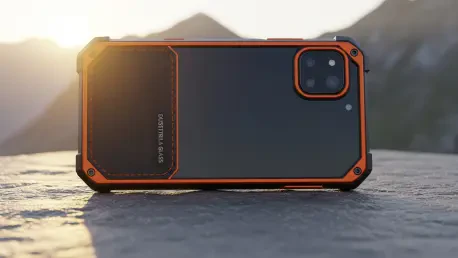
The Motorola engineering team focused heavily on creating a device that serves as a reliable tool for individuals working in demanding outdoor environments or industrial settings. By securing a MIL-STD-810H certification and an IP64 rating, the hardware is specifically designed to resist the ingress of dust and withstand splashes of water, making it a viable companion for construction sites or hiking trails. This ruggedness is complemented by an eco-leather back panel that provides a superior tactile grip compared to traditional plastic or glass finishes, significantly reducing the likelihood of accidental drops during use. Furthermore, the inclusion of Gorilla Glass 7i ensures that the front display remains resilient against scratches and structural impacts that would otherwise compromise the integrity of the screen. This design philosophy emphasizes functional longevity over sheer visual flair, appealing to a demographic that views their mobile device primarily as a durable workhorse that does not need constant protection.
Beyond the exterior toughness, the internal structure of this smartphone was optimized to support physical components that are becoming increasingly rare in the broader mobile market. The inclusion of a dedicated 3.5mm headphone jack and a microSD card slot reflects a commitment to hardware versatility that caters to users who prefer local storage and wired audio connectivity. This approach acknowledges that in remote or specialized environments, wireless accessories and cloud storage solutions are not always practical for consistent daily operations. By maintaining these legacy ports within a reinforced chassis, the device offers a level of utility that modern, ultra-slim handsets often sacrifice in the pursuit of a thinner profile. The result is a substantial, confidence-inspiring weight that feels balanced in the hand, reinforcing the idea that this is a piece of equipment built to endure the rigors of an active lifestyle without requiring constant protection from everyday hazards.
Premium Refinement: The Samsung Design Language
In stark contrast to the utilitarian nature of its competitor, the Samsung design language emphasizes a sophisticated aesthetic that mirrors the appearance of expensive flagship models. The use of Gorilla Glass Victus+ on both the front and rear surfaces creates a high-quality glass sandwich construction that exudes a sense of premium craftsmanship and elegance. This choice of materials not only provides a high level of scratch resistance but also contributes to a sleek, polished look that is well-suited for professional office environments or formal social settings. The minimalist camera array and slim bezels align with the contemporary trend of clean, unobtrusive design, ensuring that the device remains visually relevant for years to come. By prioritizing a refined hand-feel and a visually striking silhouette, the engineering team managed to bridge the gap between mid-range affordability and the prestigious identity associated with top-tier smartphones in the Galaxy series.
While the device may lack the specific military-grade certifications found on rugged alternatives, its build quality remains exceptionally high for the mid-range category, offering durability that suffices for most urban users. The integration of high-strength materials allows for a thinner and lighter chassis, making it more comfortable for extended periods of one-handed use or for carrying in tight pockets. This focus on ergonomics and visual appeal targets a different user demographic—those who prioritize the fashion-forward aspects of their technology alongside functional capabilities. The premium finish also serves a functional purpose by providing a smooth surface that resists fingerprints and maintains its luster even after months of daily handling. This design strategy effectively positions the handset as a status symbol within the mid-range market, appealing to those who want their technology to reflect a sense of modern style and professional success without the flagship price.
Performance Metrics: Multimedia and System Capabilities
Visual Fidelity: Display Technology and Sharpness
The visual experience serves as a primary differentiator between these two devices, with one offering a high-performance panel that significantly enhances multimedia consumption and gaming. Utilizing a 120Hz Super AMOLED+ display, the screen provides exceptional contrast ratios, deep true blacks, and vibrant color reproduction that remains legible even under direct sunlight. This advanced panel technology ensures that high-definition content is rendered with remarkable clarity, making it an ideal choice for users who frequently watch movies or engage in graphically intensive mobile gaming. In contrast, the competing device utilizes an IPS LCD with a lower HD+ resolution, which, while offering a smooth 120Hz refresh rate, cannot match the sharpness or the vividness of the AMOLED alternative. The difference in pixel density is noticeable during close-up inspection, especially when reading small text or viewing high-resolution photographs, where the AMOLED screen maintains a superior crispness.
Under the hood, the internal hardware further separates these devices in terms of long-term viability and day-to-day responsiveness. The integration of an Exynos 1480 chipset combined with fast UFS 3.1 storage ensures a snappy user interface and efficient multitasking capabilities that handle demanding applications with ease. This processing power is backed by a commitment to provide six years of major Android operating system updates, which is a significant factor for consumers who plan to keep their device for many seasons. Such long-term software support guarantees that the phone will receive the latest security patches and feature sets, maintaining its performance and safety well into the future. While the alternative processor is efficient for standard tasks, it lacks the raw computational overhead required for intensive video editing or high-frame-rate gaming, making it better suited for users with modest performance requirements who prioritize efficiency over speed.
Operational Strategy: Power and Long-Term Value
Power management remains a critical pillar of mobile utility, and the hardware choices here reflect two distinct strategies for addressing the needs of the modern consumer. One device utilizes a massive 7000mAh battery that is engineered to provide multiple days of uptime on a single charge, effectively eliminating the need for daily recharging cycles. This immense capacity is further enhanced by reverse wired charging capabilities, allowing the handset to serve as a portable power bank for smaller accessories like wireless earbuds or smartwatches during long trips. On the other hand, the competing model opts for a more standard 5000mAh cell but compensates with faster 45W charging speeds that minimize the time spent tethered to a wall outlet. This trade-off between sheer capacity and charging velocity is a key consideration for users who find themselves away from power sources for extended periods, such as travelers or workers who demand maximum endurance and reliability.
Photographic performance and long-term utility were ultimately evaluated based on the versatility of the camera systems and the intended lifecycle of the hardware. The implementation of a 50MP main sensor equipped with Optical Image Stabilization allowed for clear, steady shots even in challenging low-light conditions, while the lack of such stabilization in the competing model resulted in more blurred images during handheld use. Consumers who valued creative range found the addition of ultra-wide lenses and superior selfie sensors to be a decisive factor in their final selection process. Looking forward, the market shifted toward prioritizing software longevity and display quality, suggesting that most users benefited from investing in a more balanced, feature-rich ecosystem. Future buyers were encouraged to analyze their specific environmental needs—whether they required a rugged tool or a refined daily driver—to ensure the best long-term return on their mobile technology investment.