
The upcoming release of the Samsung Galaxy Watch 9 and Galaxy Watch Ultra 2 represents a major shift in the wearable market, moving away from incremental upgrades toward a more holistic integration of technology into the human experience. As consumers demand more than just notifications and step counting, the industry is responding with systems that prioritize seamless personalization over mere aesthetic changes. This new generation of devices aims to blend into the user’s lifestyle, appearing less like a gadget and more like a natural extension of one’s digital presence. By focusing on the intersection of intuitive design and powerful background processing, these wearables are poised to change the fundamental relationship people have with their wrist-worn technology. This evolution signifies that the true value of a smartwatch no longer resides solely in its hardware but in how intelligently it interprets data for the user.
Personalized User Experience: The Software Revolution
Dynamic Customization and Specialized Faces
The introduction of five distinct watch faces within the One UI 9.0 framework illustrates a commitment to addressing the specific environmental and physiological needs of a diverse user base. For the traditionalist, the Analog Balance face provides a sophisticated bridge between the elegance of horological history and the utility of modern data slots, allowing for a professional aesthetic that does not compromise on information density. Conversely, the Dual Digit face caters to high-intensity athletes who require immediate, legible data while under physical strain. By utilizing high-contrast typography and minimalist layout, it ensures that critical metrics like heart rate or split times are visible at a glance, even during the most demanding cardiovascular sessions. These designs demonstrate that software is no longer a static interface but a dynamic tool that adapts to the user’s context and aesthetic preferences, making the device feel truly personalized.
Specialized Features for Global Professionals
Beyond general fitness and professional aesthetics, Samsung has developed the Radial Dashboard and Ultra Performance faces to serve power users who demand detailed insights into their daily performance. The Radial Dashboard acts as a sophisticated nerve center for health enthusiasts, consolidating multiple tracking goals into a single layout that eliminates the need for deep menu navigation. For those who push the boundaries of their environment, the Ultra Performance face incorporates a specialized low-light mode, which preserves night vision during nocturnal activities such as camping or trail running. Additionally, the Dual Clock Info Board addresses the needs of the global professional, providing a clear, simultaneous view of two time zones to streamline international collaboration. Each of these faces represents a strategic move to make the wearable feel like a bespoke instrument tailored to the specific demands of both extreme hobbies and demanding professional schedules.
Strategic Integration and Software Longevity
Central to the current strategy is the realization that hardware alone cannot sustain long-term consumer loyalty, leading to a renewed emphasis on software updates that extend the life of older devices. By ensuring that core features of One UI 9.0 are backward compatible with previous models, the ecosystem remains robust and inclusive, preventing the fragmentation that often plagues the tech industry. This approach encourages a longer ownership cycle, where the value of the device is maintained through continuous functional improvements rather than forced obsolescence. Users are more likely to invest in the brand when they know their current hardware will receive the latest intelligent features for several years. This paradigm shift aligns with broader sustainability goals and consumer expectations for high-end electronics, where the software experience is viewed as an evolving service that adds value over time, ensuring the brand remains a leader in the global wearable marketplace.
Interactive Design and Cross-Device Fluidity
The decision to prioritize software-first innovation allows for a more cohesive user experience across various device categories, from tablets to smartphones and wearables. This interconnectivity ensures that health data and notifications flow seamlessly between platforms, creating a unified digital environment that feels responsive to the user’s needs. Furthermore, the implementation of interactive design elements within the new update makes the interface feel more tactile and alive, responding to gestures and inputs with greater fluidity. By focusing on these subtle yet impactful software refinements, the manufacturer is building a foundation for future advancements that will rely heavily on cloud synchronization and cross-device intelligence. This strategy not only strengthens the current product lineup but also sets a precedent for how the entire industry should approach the relationship between hardware cycles and software support in the modern technological landscape.
Next-Generation Hardware: Endurance and Intelligence
Standard Model Refinements and Visibility
While software remains a primary focus, the physical construction of the Galaxy Watch 9 sets a new standard for mainstream durability and visual clarity in the wearable market. Utilizing high-grade armor aluminum and a sapphire crystal display, the device is engineered to withstand the daily rigors of an active lifestyle while maintaining a sleek profile. The most notable advancement is the inclusion of a display capable of reaching 3,000 nits of peak brightness, which effectively solves the long-standing issue of screen legibility under direct midday sunlight. This level of luminosity ensures that every notification and health metric is crystal clear, regardless of environmental conditions. Under the hood, the standard model benefits from 32GB of internal storage and a more efficient processor, providing the necessary overhead for complex apps and smooth transitions, making it a reliable companion for users who balance professional duties with an active lifestyle.
Ultra Performance and Rugged Engineering
In contrast, the Galaxy Watch Ultra 2 is designed for those who require the absolute peak of wearable performance, featuring a rugged titanium frame and an unprecedented 5,000-nit display. This version is built to endure extreme conditions, boasting an IP69K rating that offers protection against high-pressure water jets and dust ingress. The massive 800mAh battery is a significant highlight, potentially offering up to four days of continuous operation on a single charge, which represents a massive leap forward for the series. This extended endurance is crucial for outdoor adventurers who may spend several days away from a power source, allowing them to rely on the device for navigation and safety without constant power anxiety. By creating such a distinct gap between the standard and ultra models, the lineup effectively targets different market segments, from the casual urban user to the professional athlete who demands uncompromising reliability and physical toughness.
Artificial Intelligence and Proactive Health
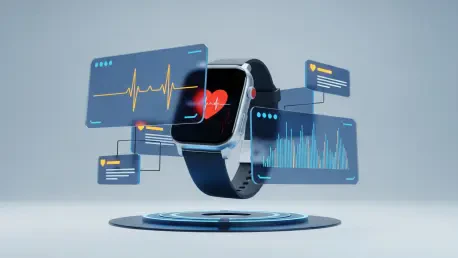
Artificial intelligence is no longer just a buzzword in the wearable space; it has become the silent engine driving proactive health management and safety features. The new Galaxy AI Dashboard represents a significant leap in on-device processing, allowing the watch to analyze complex biometric data without the latency or privacy concerns associated with cloud-based computation. This capability enables the device to identify subtle patterns in heart rate variability, sleep quality, and respiratory patterns, providing the user with actionable insights before a potential health issue becomes a concern. By acting as a proactive health consultant rather than a passive data logger, the watch shifts the user’s role from reactive monitoring to active wellness management. This transition is essential in a world where preventative healthcare is becoming increasingly important, and the wearable device is perfectly positioned to serve as the primary interface for this shift.
Strategic Perspectives: Future Wearable Intelligence
The successful integration of these advanced features across the new product lineup provided a clear vision of how wearables could function as essential life tools. Organizations and users who adopted these systems quickly realized that the transition to more proactive, AI-driven monitoring offered tangible improvements in both personal health and daily productivity. The focus shifted from mere data collection to the intelligent application of that data in real-world scenarios, establishing a new standard for the industry. Moving forward, the emphasis remained on refining these predictive algorithms while ensuring that user privacy was a paramount concern. This progress highlighted the importance of a software-first philosophy that treated the device as a living platform rather than a static piece of hardware. Ultimately, the advancements seen here paved the way for a future where technology was more than a utility; it was a seamless partner in managing the complexities of modern existence.