
Higher click-through rates and improved brand equity are the primary drivers for Tier-1 enterprises adopting verified business messaging solutions this year. This collaboration moves beyond traditional messaging by embedding an identity layer into every interaction, ensuring that brand-to-consumer communication is no longer anonymous or easily dismissed. Route Mobile, as a prominent Communication Platform as a Service (CPaaS) provider, has strategically integrated Truecaller’s “Verified Business Messaging” into its service suite. By doing so, it provides its enterprise clients with a direct line to 500 million monthly active users who are already accustomed to the caller identification service. This move effectively transforms the mobile screen from a potential source of annoyance into a trusted business hub. For companies in highly regulated industries, the ability to signal legitimacy has become a critical requirement for maintaining a professional digital presence in today’s crowded market.
Engineering Confidence: The Evolution of Verified Brand Identity
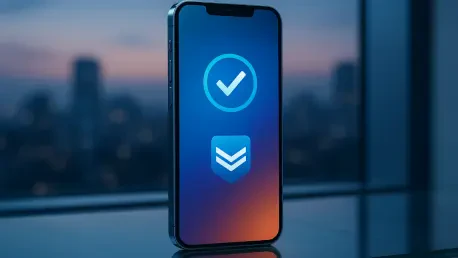
The core of this evolution lies in the transition from standard, unverified SMS to a system anchored in trust and verification. When a brand contacts a consumer via this integrated platform, the communication is accompanied by a verified badge and a clear brand logo, which validates the sender’s identity in real time. This user-trust engineering addresses the psychological barrier of spam filters, allowing sectors like banking and e-commerce to ensure their critical transactional alerts and promotional messages are seen and trusted by their target audience. By removing the ambiguity of unknown senders, the partnership allows businesses to cut through the noise of digital clutter. Enterprises now have the tools to prevent brand spoofing and phishing, which have historically eroded consumer confidence. The visual cues provided by the Truecaller interface act as a digital seal of authenticity, ensuring that high-stakes information is delivered securely to the user’s mobile device.
Beyond the visual validation, the partnership creates a seamless experience that prioritizes the user’s peace of mind during sensitive transactions. For example, financial institutions can now send one-time passwords and account alerts that are instantly recognizable, reducing the likelihood of users ignoring or deleting essential notifications. This reliability is paramount for e-commerce platforms that rely on timely delivery updates and customer support interactions to maintain high satisfaction scores. By integrating these verification layers directly into the messaging workflow, Route Mobile and Truecaller have established a new benchmark for corporate communication. The technology effectively mitigates the risks associated with fraudulent smishing attacks, which have plagued the industry for years. As digital threats become more sophisticated, the necessity for such verified ecosystems has moved from being a luxury to a fundamental requirement for any large-scale business operation.
Navigating Global Markets: Scale and Strategic Infrastructure
With a combined user base of half a billion people, the scale of this integration is immense, particularly in high-growth regions like India, which accounts for half of Truecaller’s users. Beyond India, the partnership taps into emerging and established markets worldwide, providing a robust infrastructure for global enterprises. This massive reach allows Route Mobile to function as a trust intermediary, helping businesses navigate the complexities of digital communication while maintaining high engagement levels across diverse geographical landscapes. The ability to scale verified messaging across continents is a significant advantage for multinational corporations looking for a unified communication strategy. By leveraging Truecaller’s global footprint, Route Mobile can offer a consistent brand experience regardless of the recipient’s location. This geographic diversity ensures that the benefits of verified messaging are available to a truly global consumer base without compromise.
Operationally, this partnership serves as a significant competitive moat, distinguishing Route Mobile from smaller rivals who lack the scale for such deep technical integrations. By aligning with Truecaller and expanding its influence through the Proximus Group, Route Mobile is positioning itself for large-scale digital transformation projects, particularly in the Middle East and Africa. This infrastructure-heavy approach makes it increasingly difficult for competitors to displace Route Mobile within the enterprise stack, solidifying its role as a primary digital identity partner. The backing of the Proximus Group provides the financial and technical resources needed to support expansive rollouts in developing regions where mobile connectivity is the primary driver of economic growth. As enterprises in these regions look to modernize their outreach, they are increasingly turning to partners who can provide a comprehensive, secure, and globally recognized platform for their business needs.
Shifting Paradigms: From Volume to Value-Based Engagement
The CPaaS industry is currently pivoting from volume-based delivery to value-based engagement, signaling the end of the bulk SMS era. By adopting Rich Communication Services (RCS) and verified ecosystems, Route Mobile is moving toward higher-margin, non-SMS revenue segments. This strategic shift is reflected in the financial outlook, as verified services command premium pricing due to their ability to deliver 30-40% higher engagement rates and superior click-through rates compared to commoditized messaging. Businesses are no longer satisfied with merely sending a message; they require measurable interactions and high conversion rates. The move toward value-based engagement allows Route Mobile to offer more sophisticated tools, such as interactive buttons and media-rich content, within the verified environment. This evolution reflects a broader trend where quality and security are valued far more than the sheer quantity of automated transmissions across the network.
In conclusion, the collaboration between these tech giants demonstrated a clear path forward for the industry by prioritizing identity and security over simple delivery. Enterprises that successfully integrated these verified solutions reported stronger customer retention and a noticeable decrease in fraud-related incidents. Businesses prioritized the adoption of multi-layered verification protocols to ensure that all outbound communication met the highest standards of transparency. The strategic move from commodity messaging to high-value engagement models allowed brands to reclaim the mobile channel as a primary touchpoint for meaningful interaction. Analysts observed that the successful navigation of global privacy standards was a key factor in the long-term viability of this partnership. By addressing the fundamental need for trust, Route Mobile and Truecaller set a precedent for protecting both brands and consumers. Ultimately, those who adopted these frameworks early found themselves better positioned to thrive.