
The technological landscape of 2026 reveals a mobile market where the initial performance gaps that once defined the fierce rivalry between Android and Apple have almost entirely vanished into history. When the HTC Dream launched in 2008, it entered a world that was still skeptical of the touchscreen revolution, serving as a rudimentary proof of concept against an iPhone that was equally limited by its lack of an established application ecosystem or high-speed cellular connectivity. These early, formative years were characterized by a narrative of Android as a fragmented and unpolished alternative, a reputation that proved difficult to shake even as the platform matured. Today, the sophisticated integration of artificial intelligence and high-performance hardware across the Android spectrum has rendered these legacy criticisms obsolete, yet a significant portion of the public continues to evaluate modern smartphones through a lens calibrated to the limitations of over a decade ago. This persistent perception gap ignores the reality that modern mobile computing has achieved a level of parity where the choice between operating systems is now governed by personal philosophy rather than technical superiority.
Reassessing Security and Software Openness
The Myth: An Insecure Mobile Ecosystem
The long-standing belief that Android is a breeding ground for security vulnerabilities often stems from a fundamental misunderstanding of how open-source software and modern application distribution actually function in 2026. While critics point to the ability to sideload applications as a glaring weakness, this feature remains a strictly optional path that the vast majority of users never explore, choosing instead the safety of the Google Play Store. Within this official storefront, a sophisticated array of automated scanning tools and human review processes ensures that malware is neutralized before it ever reaches a consumer’s device, maintaining a security standard that rivals any closed system. Furthermore, the underlying architecture of the operating system utilizes a multi-layered defense strategy, where each application is sandboxed to prevent it from accessing unauthorized system resources. This means that even if a user were to inadvertently install a malicious file, the system’s granular permission controls and real-time threat detection would likely isolate the problem before it could compromise sensitive personal data or financial information.
Beyond the storefront, the security of the Android platform is bolstered by the very transparency that critics once cited as a liability for the ecosystem. Because the core components of the operating system are open to scrutiny, a global network of security researchers and developers can identify and report vulnerabilities far more rapidly than is possible in a proprietary, closed-source environment. In 2026, this collaborative approach has led to a rapid-response patching cycle where critical security updates are deployed to millions of devices simultaneously through system-level components. This proactive stance ensures that the defense mechanisms of a modern smartphone are constantly evolving to counter new digital threats, effectively debunking the idea that flexibility is synonymous with fragility. The reality is that today’s mobile security is less about the “walled garden” and more about the robustness of the individual layers of protection that surround the user’s identity. Consequently, the narrative of an unsafe ecosystem is a relic of an era when mobile security was in its infancy, failing to account for the massive investments in encryption and biometric authentication that define the current era.
The Evolution: Balancing Freedom and Safety
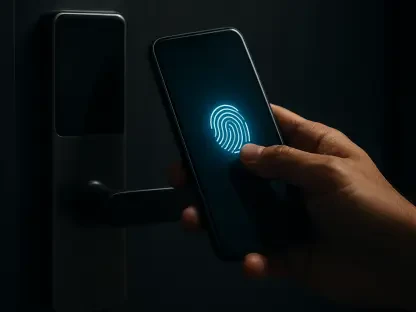
As the mobile industry moved toward 2026, the traditional debate between total openness and restricted control shifted toward a more nuanced philosophy often described as the “fenced-off” approach. Google has strategically introduced layers of intentional friction within the operating system to ensure that while users retain the freedom to customize their experience, they are protected from making uninformed or accidental decisions that could compromise their security. This evolution is visible in the advanced verification flows that now accompany the installation of third-party software, requiring multiple steps of explicit consent and biometric confirmation before high-level permissions are granted. These safeguards do not represent a move toward a closed system, but rather a sophisticated effort to protect less tech-savvy users while preserving the core flexibility that has always distinguished the platform from its primary competitors. This balance ensures that the power of choice remains in the hands of the consumer without forcing them to navigate a digital landscape fraught with avoidable risks.
Furthermore, the introduction of time-gated permissions and enhanced visibility for background processes has redefined how users interact with their applications on a daily basis. Modern versions of the operating system now provide detailed dashboards that show exactly when and why an app accessed the microphone, camera, or location data, allowing for immediate revocation of those rights if the behavior seems suspicious. This level of transparency goes beyond what is offered in more restricted environments, empowering the user to act as the ultimate arbiter of their own privacy. By transforming complex security protocols into intuitive user-facing features, the platform has successfully mitigated the risks historically associated with its open nature. The result is an ecosystem that feels both secure and liberated, proving that a mobile device can offer extensive customization without sacrificing the safety of the individual. This strategic shift reflects a mature understanding of the modern consumer’s needs, where the desire for personal digital sovereignty is balanced by the necessity of a reliable and defensive technological foundation.
Challenging Hardware and Value Misconceptions
Camera Innovation: Leading the Visual Frontier
One of the most persistent hyperbole in the smartphone industry is the claim that Android cameras are somehow inferior to their counterparts, a myth that is easily dispelled by examining the flagship hardware of 2026. The reality of the market is that manufacturers like Samsung, Google, and Vivo have consistently pushed the boundaries of optical engineering, introducing high-detail periscope telephoto lenses and massive sensors that capture light with unprecedented accuracy. These hardware advantages are amplified by sophisticated artificial intelligence that handles everything from noise reduction in low-light environments to the complex computational photography required for professional-grade portraits. While entry-level devices might offer more modest results, the top-tier models frequently outperform the competition in specialized areas such as extreme zoom capabilities and night-time videography. This technological leadership has forced the entire industry to accelerate its pace of innovation, ensuring that the gap in photographic quality is not just closed, but in many specific categories, tilted in favor of the Android ecosystem.
The software side of this equation is equally impressive, with advancements in machine learning allowing for real-time image manipulation that once required a dedicated desktop computer. Features like AI-powered object removal, skin tone accuracy adjustments, and automated scene optimization have become standard across premium devices, providing users with a versatile toolset for capturing their lives. This focus on software-driven excellence ensures that the final image is a result of both physical lens quality and the intelligent processing of the data captured by the sensor. When critics generalize about camera performance, they often ignore the fact that the most decorated mobile cameras in 2026 are frequently those running on the Android platform. By prioritizing both hardware diversity and software intelligence, these manufacturers have created a photographic experience that is objectively on par with, and in many instances superior to, the most expensive alternatives on the market. The result is a vibrant, competitive landscape where the consumer is the primary beneficiary of a relentless quest for visual perfection.
Premium Market: The Reality of High-End Pricing
The misconception that Android is the “budget” choice is a byproduct of the platform’s vast market coverage, which spans from accessible entry-level handsets to some of the most expensive consumer electronics ever produced. In 2026, the ultra-premium segment is increasingly defined by radical innovations such as foldable and trifold devices that carry price tags significantly higher than the most expensive traditional smartphones. These devices are not merely expensive for the sake of luxury; they represent a significant investment in research and development, offering capabilities like expandable displays and multi-tasking interfaces that are simply unavailable on more restricted platforms. When comparing a flagship Android phone to a high-end iPhone, the prices are often identical, yet the Android device frequently offers more RAM, faster charging speeds, and more versatile camera arrays. This parity in pricing reflects a parity in value, debunking the idea that choosing an Android device is a compromise made solely for the sake of saving money in a competitive marketplace.
Furthermore, the diversity of the ecosystem allows for a level of consumer choice that is impossible within a single-manufacturer model. A buyer can choose to spend two thousand dollars on a cutting-edge foldable that replaces their tablet, or they can opt for a high-performance gaming phone with specialized cooling systems and physical triggers. This range of options means that the “value” of a device is determined by how well it fits the specific needs of the user, rather than a one-size-fits-all approach to mobile computing. Because the market includes everything from $200 workhorses to $2,500 luxury foldables, it is easy for critics to point to lower-cost models as proof of a lack of prestige. However, the presence of these affordable options is a testament to the platform’s accessibility and its role in bringing modern technology to a global audience. The ultra-premium Android market remains the primary laboratory for the future of mobile hardware, where the high costs are justified by the introduction of features that eventually trickle down to the rest of the industry.
Consumer Choice: The Strength of Variety
The incredible variety inherent in the Android ecosystem serves as its greatest competitive advantage, providing a spectrum of choices that cater to every possible professional and personal requirement. In 2026, a consumer can prioritize a device specifically for its multi-day battery life, its ruggedized exterior for outdoor work, or its high-fidelity audio DAC for a superior listening experience. This specialization is only possible because multiple manufacturers are competing to innovate within the same software framework, driving them to find unique hardware solutions to stand out in a crowded market. Unlike a closed ecosystem where the user must adapt to the manufacturer’s vision of a smartphone, the Android world allows the user to find a device that adapts to their specific lifestyle. This philosophy of inclusivity ensures that whether a person is an artist, a gamer, or a corporate professional, there is a piece of hardware designed specifically to enhance their daily workflow and personal interests.
This diversity also fosters a healthy competitive environment that prevents any single company from becoming complacent with its hardware designs or feature sets. When one manufacturer introduces a breakthrough in display technology or biometric security, the rest of the ecosystem must respond, leading to a rapid cycle of improvement that benefits all users. This constant pressure to innovate has led to the adoption of features like high-refresh-rate screens, under-display cameras, and ultra-fast wired and wireless charging long before they appeared in more conservative hardware lines. While this variety can sometimes lead to confusion for those used to a single product line, it ultimately empowers the buyer to be more discerning and demanding of their technology. By refusing to settle for a singular vision of what a phone should be, the Android community continues to drive the entire mobile industry forward, ensuring that technological progress is never stalled by the lack of competition. The result is a dynamic marketplace where innovation is the only way to survive.
Longevity and the Shift in Software Support
Durability: Extending the Device Lifecycle
For a long time, the primary argument against the Android ecosystem was its perceived lack of long-term software support, a narrative that has been completely overturned by the industry standards of 2026. Leading manufacturers have officially moved to a model that guarantees seven years of major operating system and security updates for their flagship devices, effectively matching or exceeding the support lifecycle of any competitor. This shift represents a fundamental change in how these companies view their relationship with the consumer, moving away from a philosophy of planned obsolescence and toward one of sustained value. This commitment ensures that a high-end smartphone purchased today will remain a capable and secure tool for nearly a decade, significantly lowering the total cost of ownership over the life of the device. This newfound focus on longevity has also spurred improvements in physical durability, with more robust materials and repairable designs becoming standard across the premium segment to match the extended software life.
The implications of this shift are profound for the secondary market and the environmental impact of mobile technology. Devices that receive updates for seven years retain their resale value much more effectively, creating a robust ecosystem of used hardware that remains safe and functional for new owners. This reduces the frequency with which consumers feel forced to upgrade, leading to a more sustainable consumption model that prioritizes the long-term utility of existing resources. Furthermore, the ability to rely on a single device for many years allows users to invest more in a higher-quality phone initially, knowing that their investment is protected by a long-term software commitment. This trend has forced the entire mobile industry to reconsider its approach to software engineering, as maintaining an aging fleet of devices requires more efficient and modular code. Ultimately, the transition to long-term support has transformed the Android flagship from a disposable gadget into a durable piece of essential infrastructure, proving that the platform is built for the long haul.
Modern Standards: Surpassing Traditional Support
The reversal of the software support narrative is perhaps best illustrated by the fact that the most prominent Android manufacturers have now set a benchmark that has forced their competitors to play catch-up. While some platforms were pushed by regional regulations to offer a minimum of five years of support, the leaders in the Android space had already moved beyond that threshold, offering a level of commitment that was previously unthinkable for any mobile manufacturer. This shift has eliminated the “update gap” that once served as a primary talking point for those advocating against the platform, replacing it with a reality where Android users often enjoy a longer window of official support than their peers. This ensures that the latest features, security protocols, and performance optimizations are available to a wider range of hardware for a longer period, democratizing the benefits of technological progress and ensuring that no user is left behind simply because they are not using the latest model.
As the industry moved through the mid-2020s, the focus evolved from merely providing updates to ensuring the quality and consistency of those rollouts across various global regions and carrier networks. In 2026, the infrastructure for deploying these updates has become so streamlined that the delay between a software release and its arrival on a consumer’s device has been reduced to almost nothing. This efficiency, combined with the extended support windows, has solidified the platform’s reputation as a reliable choice for enterprise and government sectors that require long-term stability and security. The commitment to seven years of updates is not just a marketing promise; it is a technical reality that has redefined the expectations of the entire smartphone market. Users now rightfully demand that their expensive hardware be supported for its entire functional life, a demand that the Android ecosystem met and exceeded ahead of its rivals. This proactive approach to software longevity has successfully dismantled the last major barrier to total platform parity, establishing a new standard for the industry.
To capitalize on these developments, consumers should prioritize hardware from manufacturers with proven track records of fulfilling long-term update promises, as this remains the best way to ensure device security through 2030 and beyond. It was once common to replace mobile hardware every two years, but the current landscape rewarded those who chose high-specification devices that were capable of handling the increasingly demanding artificial intelligence tasks of the future. The shift in market dynamics indicated that the true value of a smartphone was no longer found in its initial novelty, but in its ability to adapt and remain relevant over a multi-year lifecycle. Moving forward, the industry is expected to focus even more on hardware modularity and battery health to ensure that the physical components of a phone could last as long as the software that powered them. By making informed choices centered on longevity and transparency, users have successfully transitioned into an era where their technology serves them reliably for the better part of a decade.