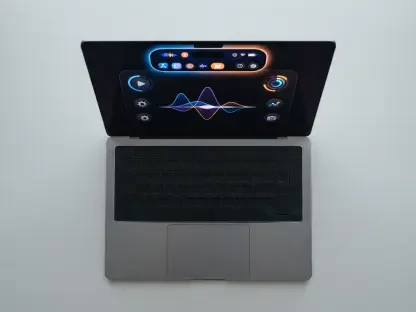

Context-aware AI can automatically adjust the tone of transcribed text from professional to casual based on which application the user currently has open. For several years, mobile device users have found themselves fundamentally restricted by the inherent physical limitations of virtual keyboards, often struggling with cramped screen layouts and the sluggish pace of manual typing. While manufacturers like Google recently attempted to address these frustrations by introducing exclusive features such as “Rambler” on the Pixel 11, these solutions remained frustratingly locked behind expensive, brand-specific hardware. Wispr Flow has emerged as a formidable response to this trend, successfully democratizing high-end voice-to-text capabilities by making them available to any consumer regardless of their device brand or price point. This shift represents a significant change in human-computer interaction, moving away from the cumbersome “hunt-and-peck” nature of mobile typing toward a natural, conversational method of data entry that mirrors real-world speech. By focusing on understanding human intent rather than merely transcribing phonetics, this technology allows for a fluid digital experience that keeps pace with modern thought.
Breaking the Barrier: Hardware Exclusivity and Software Innovation
The technology industry has long relied on a strategy known as “feature gating,” where desirable software innovations are used as primary incentives to drive the sales of expensive new flagship models. The dictation tools found in the Pixel 11 serve as a perfect illustration of this tactic, suggesting that advanced processing for cleaning up messy speech and removing filler words requires specific, proprietary silicon. However, the emergence of sophisticated third-party applications has effectively debunked the myth that these “magical” capabilities are strictly dependent on local hardware like Tensor chips or specific neural engines. Developers have successfully demonstrated that the complex linguistic models required for real-time speech polishing can be delivered through cloud-integrated software, making it entirely unnecessary for a professional to spend nearly a thousand dollars just to gain access to efficient, high-quality voice typing on their mobile device.
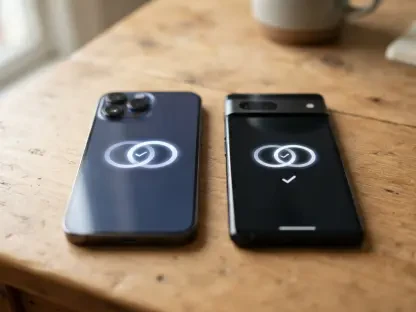
By decoupling these advanced artificial intelligence features from specific hardware ecosystems, Wispr Flow provides a remarkably unified experience that spans a wide range of operating systems, including Android, iOS, Windows, and macOS. This cross-platform availability ensures that a professional’s workflow remains entirely consistent whether they are responding to an urgent message on a smartphone or drafting a comprehensive technical report on a primary workstation. The ability to move between devices without losing the specific “intelligence” of the dictation engine challenges the traditional industry standard of closed brand ecosystems. Instead of being tethered to a single manufacturer’s vision, users are now empowered to choose the hardware that best fits their physical needs while still enjoying a high-performance tool that enhances their digital output across the board. This accessibility marks a turning point where high-level productivity is no longer a luxury reserved for those with the latest flagship phone.
Technical Nuance: The Mechanics of Real-Time Polishing
The primary feature that sets modern dictation apart from legacy voice-to-text tools is the capacity for “real-time polishing” of raw human speech. Basic dictation software typically records every “um,” “ah,” and stutter, resulting in a transcript that requires extensive manual editing before it can be shared professionally. In contrast, the processing engine behind Wispr Flow intelligently identifies and filters out these non-lexical vocables while simultaneously handling self-corrections on the fly. If a speaker changes their mind halfway through a sentence or restarts a thought due to a verbal slip, the underlying AI recognizes the intent behind the speech and produces a clean, grammatically sound final sentence. This advanced interpretation of intent means that the output often looks like a carefully drafted email rather than a verbatim transcript of a casual conversation, which significantly reduces the cognitive load on the user.
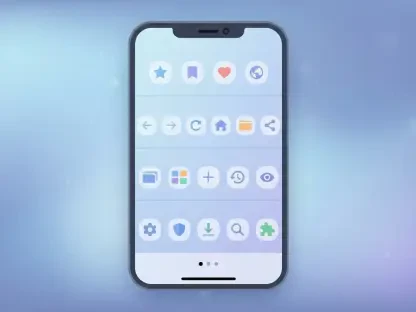
Integration with modern mobile operating systems is achieved through the creative use of accessibility settings, which allows the dictation tool to function as a seamless floating overlay rather than a traditional replacement keyboard. This specific design choice ensures a streamlined workflow where a user can simply tap any text field, activate the floating voice button, and begin speaking at a natural, conversational pace. Once the dictation is complete, the AI processes the raw audio data and automatically inserts the polished, formatted text into the chosen application. This transition from abstract thought to finished digital text occurs almost instantaneously, allowing for a level of spontaneity in communication that was previously impossible with thumb-based typing. By working as an overlay, the software remains compatible with nearly every app on a device, ensuring that the benefits of high-speed voice entry are available whether one is composing a social media post or a complex spreadsheet.
Quantifiable Gains: Efficiency and Stylistic Adaptation
Transitioning from traditional manual typing to advanced AI-driven dictation offers a massive and measurable boost in overall productivity. Statistics show that the average mobile user typically types at a rate of roughly 40 words per minute, often sacrificing accuracy for speed as they navigate small on-screen keys. By utilizing Wispr Flow, many users have seen their input speeds jump to as high as 150 words per minute, representing a 275% increase in efficiency. This dramatic change transforms the smartphone from a simple device used for short, reactive communication into a professional-grade productivity tool capable of handling heavy writing tasks. Long-form emails and complex project briefs that were once considered too tedious to draft on a glass screen can now be finished in a fraction of the time with significantly greater linguistic accuracy and structural integrity.
Beyond simple speed, the dictation system displays an impressive degree of stylistic intelligence by automatically adapting its tone based on the specific application being used at that moment. A user can configure the AI to maintain a formal, professional tone when an email client like Outlook is active, while automatically switching to a casual, lowercase-friendly style for messaging platforms like WhatsApp or Telegram. The system is also capable of recognizing specific formatting requirements, such as generating bulleted lists or applying proper paragraph breaks based on vocal cues. Furthermore, the inclusion of a “snippets” feature allows for even greater efficiency, enabling users to define simple voice triggers that prompt the AI to insert large blocks of pre-formatted text, such as physical addresses or professional signatures. This combination of speed and contextual awareness ensures that the final output is always appropriate for the intended audience without requiring manual stylistic adjustments.
Navigation and Strategy: Choosing the Right Dictation Tools
While Wispr Flow currently leads the market in terms of general versatility, the broader landscape for voice-to-text tools has become increasingly diverse to meet specific user requirements. For individuals and organizations that prioritize absolute privacy and data security, tools like the FUTO keyboard have gained popularity by offering entirely local, offline processing. This ensures that sensitive voice data never leaves the physical device, providing peace of mind for those working in highly regulated industries. On the other hand, established platforms like Microsoft SwiftKey continue to offer reliable offline dictation for users who frequently operate in environments with inconsistent internet connectivity. These alternatives provide a necessary balance in the market, ensuring that users can prioritize either the sophisticated cloud-based “polishing” of Wispr Flow or the localized security of offline-first applications.
The successful transition toward AI-enhanced dictation fundamentally altered the trajectory of mobile communication by proving that software can overcome hardware limitations. Users who adopted these advanced dictation tools managed to reclaim hours of their time that were previously spent fighting with autocorrect and small touch targets. As the industry moved toward 2027 and beyond, the focus shifted from simple transcription to the proactive refinement of human communication. Professionals who embraced these cross-platform solutions found themselves better equipped to handle the demands of a fast-paced digital economy, regardless of their choice of smartphone or computer. By moving away from hardware-locked ecosystems, the tech community ensured that the future of productivity remained accessible, allowing the power of the human voice to finally replace the traditional keyboard as the primary interface for digital creativity and professional correspondence.