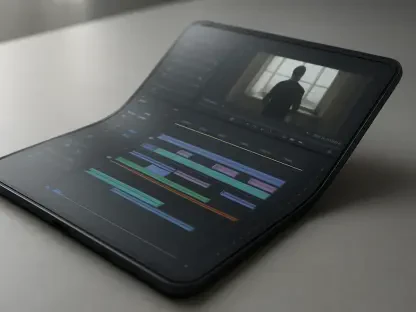

The Apple iPad mini, with its 8.3-inch Liquid Retina display, serves as the ultimate tool for on-the-go editing where portability is the paramount concern for the user. While desktop computers have historically functioned as the primary engine for processing complex RAW image files, the current

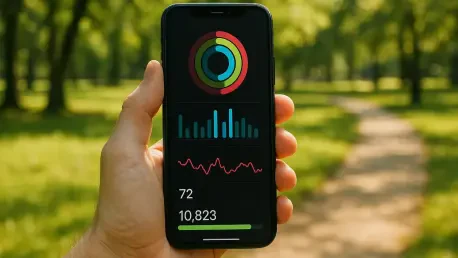
Apple markets readiness scores as a flagship hardware feature, yet the biometric data required for these calculations is already present in legacy sensors. While the tech giant emphasizes that the latest processing power is necessary for real-time recovery analysis, the reality is that the core
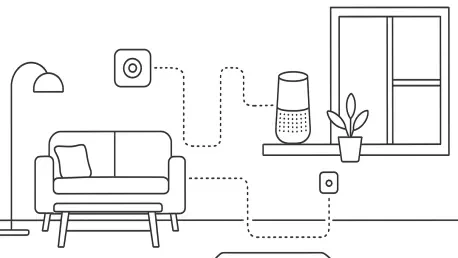
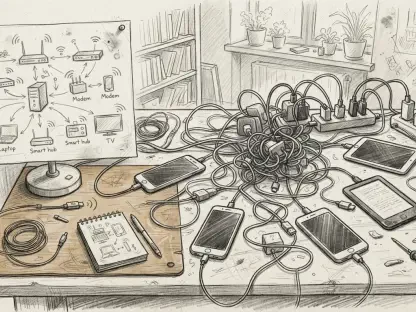
The persistent frustration of a smart light bulb failing to respond while your smartphone sits inches away remains a modern ritual that underscores the gap between technological promise and the daily reality of domestic life. For years, the dream of an automated residence has been hindered by a
Advanced developers and technical writers benefit from the new Copy as Markdown feature which prepares formatted text for immediate transfer to external code editors. This specific enhancement signals a broader evolution within the digital workspace, where the native Notes application has

The current digital limbo in Europe has forced tech enthusiasts to reconsider purchase decisions, as the most sophisticated version of Siri remains unavailable despite the presence of compatible hardware. As the fall season of 2026 progresses, the disparity between the global rollout of iOS 27 and

Consumers face a choice between Apple’s 'quiet' but secure hub and the rapid, data-intensive expansion of AI agents currently offered by Meta and Google’s cloud-based models. This fundamental tension defines the launch of the Apple HomePad, a device that marks the transition from simple voice