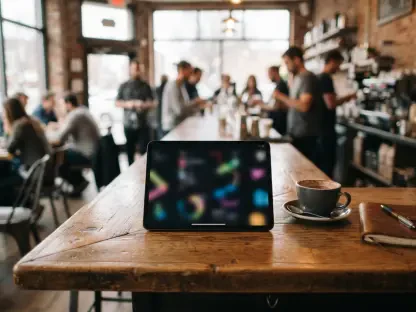

New foldable devices are beginning to blur the lines between mobile categories, yet tablets still command a significant lead in screen real estate for immersive media consumption. While high-end smartphones in 2026 feature incredibly dense pixel counts and advanced panel technologies, the physical

Implementing a screen-based flash for biometric scans represents a shift toward more versatile and pragmatic security solutions for mobile devices. The transition from specialized hardware, like the Soli radar chip seen in earlier generations, to sophisticated software algorithms marks a

A significant limitation of standard app locks is their inability to truly encrypt data, whereas Samsung's solution provides a robust hardware-integrated shield. In 2026, the reliance on mobile devices for every facet of personal and professional life has reached an all-time high, making the
While convenience-first biometrics allow for quick unlocking, many Android devices still require a fingerprint or passcode for sensitive banking and payment authorizations. This distinction highlights a fundamental tension in modern mobile design: the balance between frictionless access and the
Tracking more than 30,000 person-year observations shows that the psychological benefits of smart wearables are significantly influenced by an individual's digital literacy. As the global population continues to age, the integration of smart wristbands and watches has transitioned from a
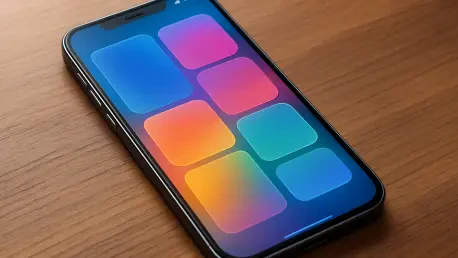
Managing the intensity of visual effects like tint and opacity via the appearance menu can improve text legibility but may not fully resolve deep-seated system performance issues. While users often expect seamless transitions and lightning-fast responses from the latest firmware, the reality of