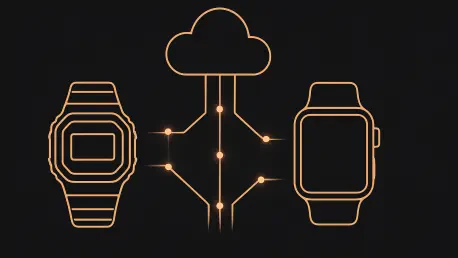
Both the high-end smartwatch and the affordable tracker grant access to AI-driven coaching and workout plans through the same Fitbit Premium subscription. As the wearable market continues to mature in 2026, consumers find themselves at a crossroads between the luxurious versatility of a full
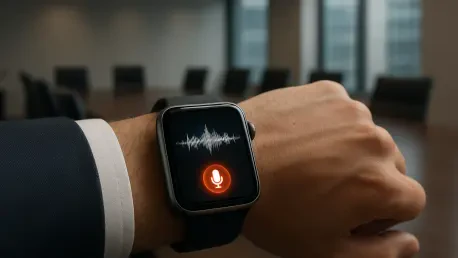
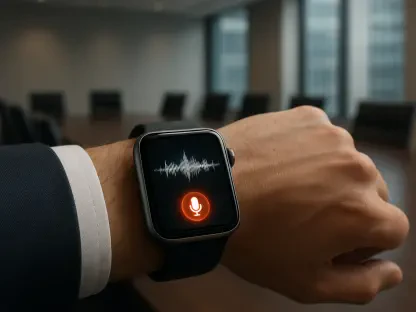
Unlike many competitors that treat voice recording as a secondary app feature, this device centers its entire hardware architecture around the audio documentation workflow. In the professional landscape of 2026, where digital saturation has made general-purpose tools feel increasingly cluttered, a

A critical differentiator for navigators is the Pro's ability to handle offline maps with greater ease thanks to its superior screen real estate and higher internal processing capabilities. In the competitive landscape of 2026, athletes often find themselves at a crossroads between selecting a

The slim 11.5 millimeter frame of the Fitbit Edge is designed to solve the discomfort users often feel when wearing thicker smartwatches like the 12.3 millimeter Pixel Watch. This engineering focus on ergonomics addresses a significant pain point for individuals who wear their trackers during sleep

The global wearable technology market is currently witnessing a definitive pivot toward hardware specialization as manufacturers abandon the pursuit of a singular, all-purpose device. Instead of attempting to satisfy every demographic with a one-size-fits-all smartwatch, industry leaders like
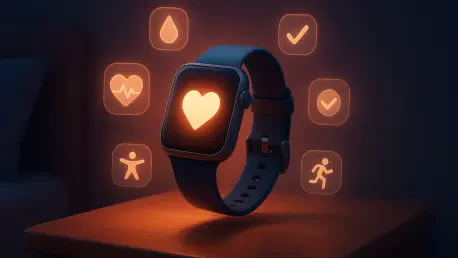
Apple markets readiness scores as a flagship hardware feature, yet the biometric data required for these calculations is already present in legacy sensors. While the tech giant emphasizes that the latest processing power is necessary for real-time recovery analysis, the reality is that the core
1 2 3 4 5 6 7 8 9 10 11 12 13 14 15 16 17 18 19 20 21 22 23 24 25