The seamless integration of biometric identification into wearable hardware marks a significant shift in how individuals interact with both the digital and physical environments surrounding them. As smart glasses evolve from simple camera-equipped frames into sophisticated spatial computers, the

The rapid acceleration of hardware manufacturing has created a mountain of electronic waste that threatens to overwhelm global recycling systems and contaminate vital natural resources. While consumer demand for high-performance artificial intelligence and lightning-fast connectivity drives the
The seamless integration of the Apple Watch within the iOS ecosystem remains one of the most effective examples of digital lock-in ever engineered by a technology corporation. Despite the growing trend toward cross-platform interoperability in the wearable market as we progress through 2026, the
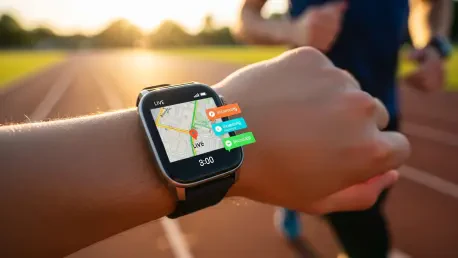
The transition from viewing a smartwatch as a mere extension of a smartphone to treating it as a primary communication terminal has reached a critical milestone with the reintroduction of Telegram’s native support for high-end wearable devices. On June 11, 2026, the messaging platform officially
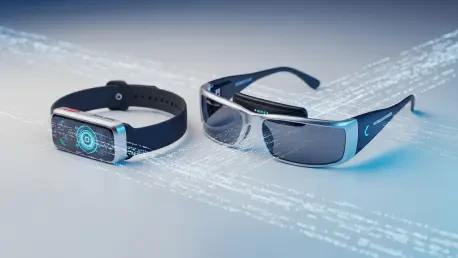
The silence of the 2026 Meta Connect stage was broken not by a voice command or a tap, but by a subtle, almost imperceptible flick of a finger that navigated a virtual interface floating in mid-air. This was the debut of Malibu 2, a device engineered to serve as the central nervous system for a new
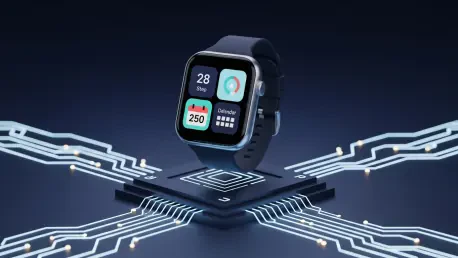
Google’s most ambitious wearable software overhaul in recent memory is currently descending upon the digital ecosystem, signaling a shift in how users interact with their hardware on a minute-to-minute basis. This transition represents more than a simple aesthetic refresh; it is a fundamental