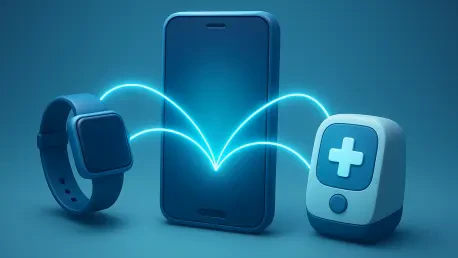
Traditional medical models often rely on infrequent clinical visits that fail to capture the daily physical and cognitive realities of aging patients in real-time. This structural gap creates a fragmented understanding of senior health, often leading to reactive measures rather than proactive
Recent leaks within the Garmin Connect app have sparked a debate regarding whether the brand will maintain its commitment to Memory-in-Pixel displays or transition to high-fidelity AMOLED technology. This discovery has sent ripples through the endurance community, where the Enduro line is revered
The August 2026 cessation of all security patches for the Galaxy Watch 4 series marks the definitive conclusion of its functional lifecycle for secure mobile payments. This significant shift underscores a broader industry trend where the utility of a wearable device is increasingly tethered to its
Many seasoned athletes have experienced the frustration of completing a grueling interval session only to realize they never engaged the activity tracker on their wrist. Garmin’s strategic shift toward automated workout detection represents a necessary evolution to maintain its competitive edge
Built-in NFC and code scanning capabilities facilitate a streamlined 'Tap, Pay, Go' experience that effectively replaces the need for a physical wallet during daily commutes. This development represents more than just a convenience; it signals a fundamental shift in how wearable technology
Scheduling cognitively demanding tasks during the early morning hours is supported by data showing a consistent daily decline in processing speed and attention. For many older adults, the subtle shifts in mental clarity often go unnoticed until they reach a clinical setting, where snapshot