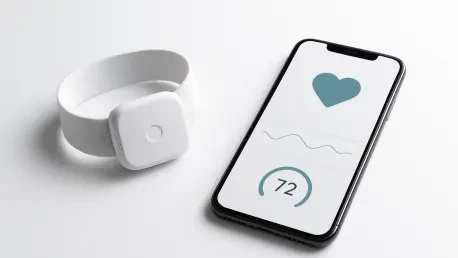
The official sepsis modern service framework emphasizes the necessity of bridging the gap between hospital-level monitoring and recovery at home through innovation. In 2026, the medical community continues to confront the silent threat of sepsis, a condition where the immune system overreacts to an
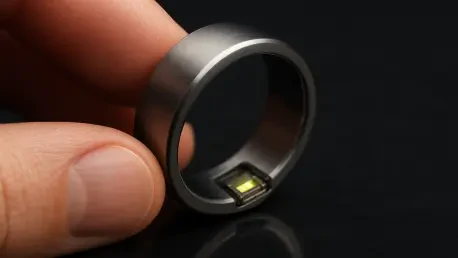
The permanent nature of internal batteries in current smart rings often turns high-end health wearables into disposable electronics within just a few years of regular use. Despite the impressive engineering required to cram heart rate sensors, accelerometers, and Bluetooth radios into a tiny band,

The implementation of tokenization through Google Pay ensures that sensitive credit card numbers are never shared directly with the merchant during a transaction. This transition marks a fundamental shift from a closed ecosystem to a customer-centric model, acknowledging that shoppers now prefer
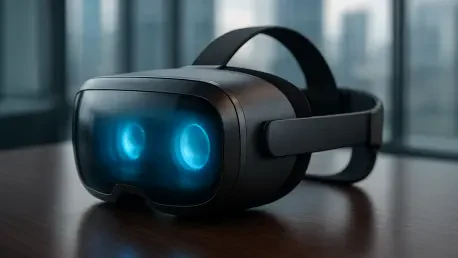
The steep price point and bulky hardware design of the Vision Pro have led to a smaller active user base than initially anticipated by company executives. This reality has forced a significant pivot in corporate strategy, manifesting in the recent decision to eliminate roughly 200 positions across

Amazon’s fulfillment centers and residential environments are seeing the introduction of humanoid robots that require constant high-speed data exchange to navigate human spaces safely. This demand for instantaneous communication has propelled 5G from a consumer luxury to a fundamental industrial
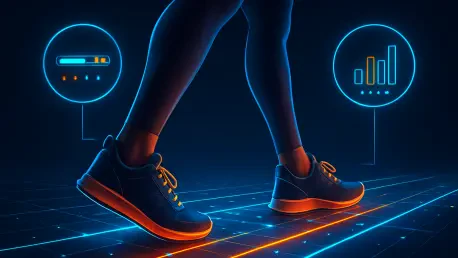
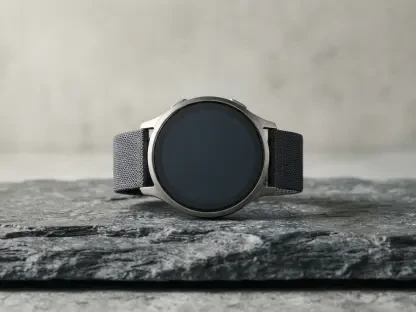
Testing the $199 Garmin Cirqa against a device four times its price highlights whether a minimalist design can truly compete with top-tier hardware. In the current landscape of 2026, where wearable technology has reached a point of near-ubiquity, the disparity between budget-friendly trackers and