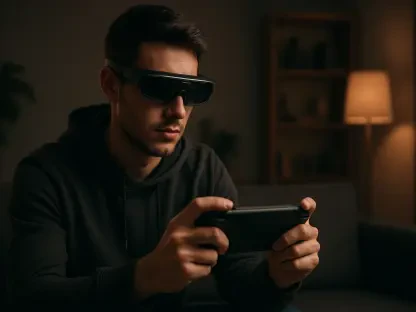
The era of wearing heavy, light-sealed goggles to traverse digital landscapes is rapidly coming to an end as the industry pivots toward nearly invisible wearable technology. While early hardware pioneers successfully demonstrated the technical potential of immersive environments, the initial
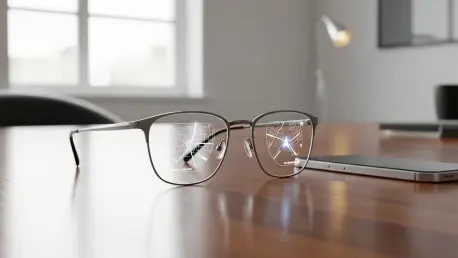
The integration of Augmented Reality into the fabric of daily life has transitioned from a speculative concept into a tangible reality as hardware achieves the necessary balance between power and portability. While previous iterations of wearable technology often felt like bulky experiments

The transition of virtual reality gaming from niche experimental demos to expansive military simulations has reached a pivotal moment with the full release of Forefront 1.0 by Triangle Factory. For years, players have sought a title that could replicate the grand scale and destructive chaos of the
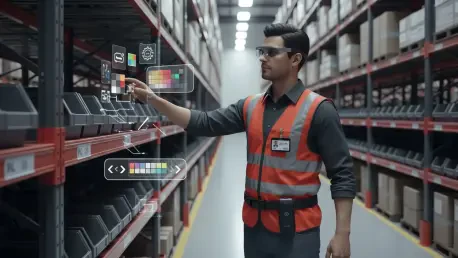
Consumer patience for face-mounted tech collided with a turning point as lighter glasses tried to replace bulky headsets, and that tension shaped which companies earned trust, which features mattered, and which prototypes finally left labs for daily wear. Across the industry, the message sounded

Server meltdowns, headset fatigue, and flashy demos that fizzled into footnotes have forced a quiet reset that put pragmatic systems at the center of virtual worlds rather than cinematic showpieces that wow for a minute but fail in the daily grind of work, learning, and social life. The new
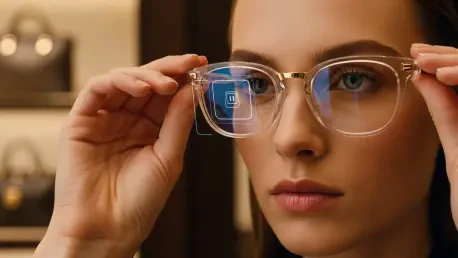
The transition of augmented reality from a specialized industrial tool to a ubiquitous fashion accessory has reached a critical tipping point as the industry moves away from bulky headsets toward sleek, designer eyewear. While early iterations of smart glasses were often criticized for their