
The landscape of wearable technology has shifted dramatically from bulky wrist-mounted computers to sleek, nearly invisible jewelry that promises to track every heartbeat and sleep cycle with surgical precision. While smartwatches dominated the early iterations of personal health tracking, a

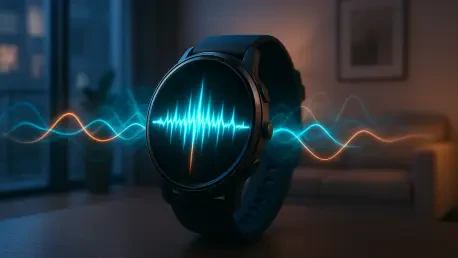
The 'Life Log' feature uses integrated microphones to record the auditory details of a user’s day, creating a comprehensive context for productivity apps. This innovation, showcased at the IFA 2026 trade show, signifies a pivot in the wearable technology sector toward camera-less designs. As public
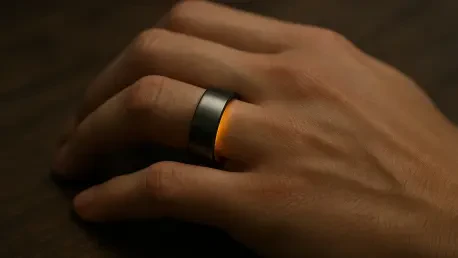
Vascular Health Insights represent a new frontier for smart rings, combining lifestyle data with PPG sensing to monitor long-term cardiovascular health. This advancement comes at a time when the broader technology market has reached a definitive turning point, transitioning away from the era of
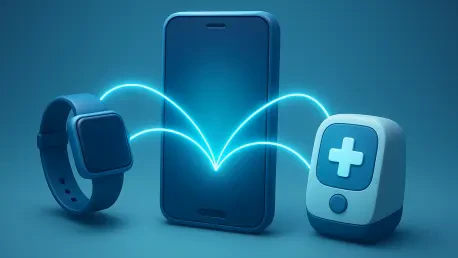
Traditional medical models often rely on infrequent clinical visits that fail to capture the daily physical and cognitive realities of aging patients in real-time. This structural gap creates a fragmented understanding of senior health, often leading to reactive measures rather than proactive

Recent leaks within the Garmin Connect app have sparked a debate regarding whether the brand will maintain its commitment to Memory-in-Pixel displays or transition to high-fidelity AMOLED technology. This discovery has sent ripples through the endurance community, where the Enduro line is revered
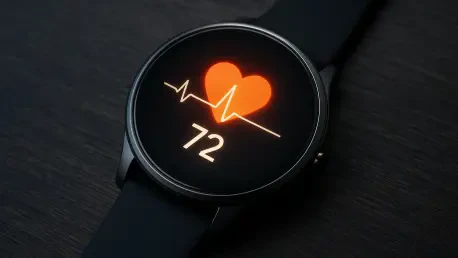
The August 2026 cessation of all security patches for the Galaxy Watch 4 series marks the definitive conclusion of its functional lifecycle for secure mobile payments. This significant shift underscores a broader industry trend where the utility of a wearable device is increasingly tethered to its