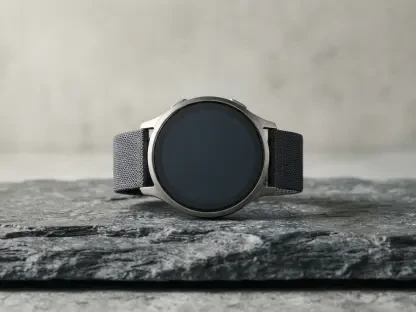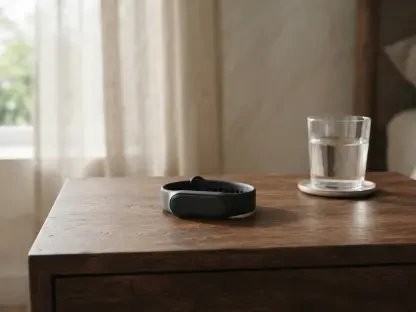

The slim 11.5 millimeter frame of the Fitbit Edge is designed to solve the discomfort users often feel when wearing thicker smartwatches like the 12.3 millimeter Pixel Watch. This engineering focus on ergonomics addresses a significant pain point for individuals who wear their trackers during sleep

The global wearable technology market is currently witnessing a definitive pivot toward hardware specialization as manufacturers abandon the pursuit of a singular, all-purpose device. Instead of attempting to satisfy every demographic with a one-size-fits-all smartwatch, industry leaders like
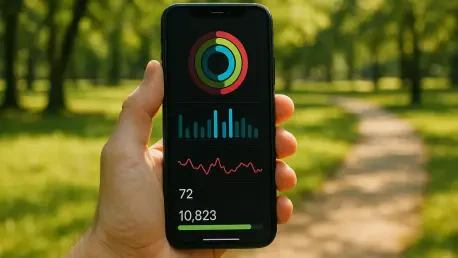
Apple markets readiness scores as a flagship hardware feature, yet the biometric data required for these calculations is already present in legacy sensors. While the tech giant emphasizes that the latest processing power is necessary for real-time recovery analysis, the reality is that the core

While biobanks like the UK Biobank have advanced medical science, their reliance on specific demographic pools often fails to represent the genetic diversity of the global population. This structural limitation has become increasingly problematic as the medical community faces a concerning plateau

The software's current limitation to 3DoF means users can experience rotation-based VR content but lack the positional tracking found in 6DoF systems. Portable gaming consoles like the Steam Deck have fundamentally changed how users interact with their digital libraries, yet the dream of a
Analysts remain divided on whether Garmin can maintain a 9.1% annual growth rate while managing the increasing manufacturing costs of specialized hardware. This uncertainty stems from a market where high-performance wearables are no longer just tools but central hubs for personal data ecosystems.