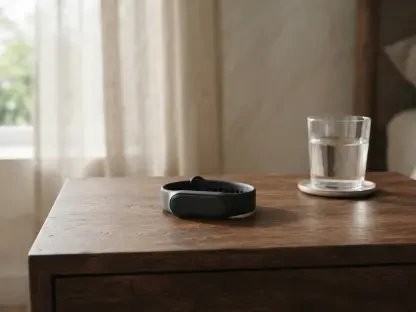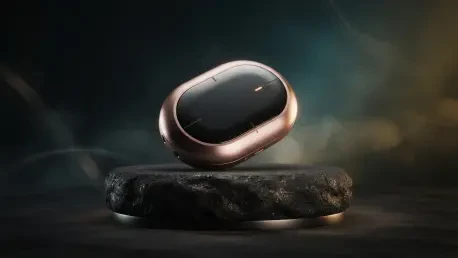

The Fitbit Air caters specifically to athletes like climbers and weightlifters who require data collection without the physical bulk of a smartwatch. This device marks a turning point in how consumers perceive wearable technology, shifting from oversized wrist computers toward specialized tools
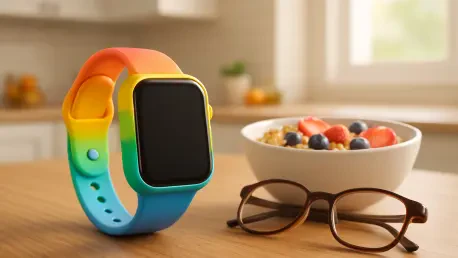
Tracking more than 30,000 person-year observations shows that the psychological benefits of smart wearables are significantly influenced by an individual's digital literacy. As the global population continues to age, the integration of smart wristbands and watches has transitioned from a

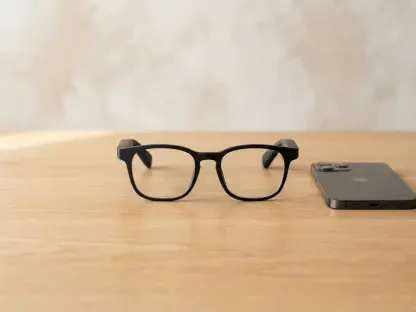
The recent introduction of Amazon’s Bee hardware lineup, featuring the Frontier and Eclipse devices, signifies a fundamental pivot in how consumer electronics interface with the messy, unscripted reality of human interaction. This launch represents the massive integration of a startup acquisition
This unexpected manufacturing halt comes only a year after the company introduced the Calibre E5, which featured a significant transition to a proprietary operating system. The luxury watch industry has long struggled to balance the rapid obsolescence of modern electronics with the enduring legacy
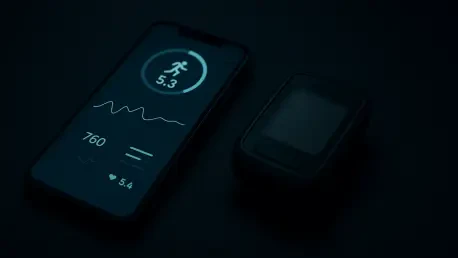
The closure of Intervals Pro follows warnings that Garmin will no longer allow secondary platforms to pass user activity files to downstream applications. This significant shift in the data-sharing landscape effectively paralyzed the UK-based AI coaching service, which officially ceased its
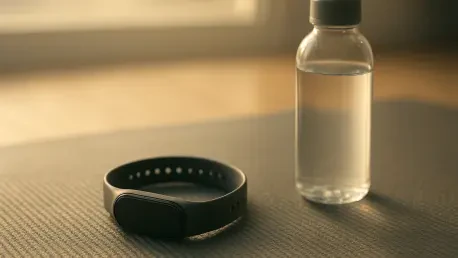
The Fitbit Edge utilizes a single-band GPS system that provides sufficient tracking accuracy for recreational athletes while maintaining the device’s compact and lightweight aesthetic. This specific hardware choice reflects a broader industry movement in 2026, where the initial novelty of