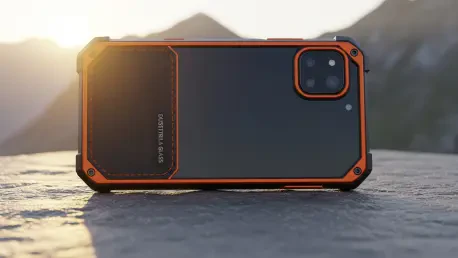

The rhythmic clatter of fingers against a mechanical keyboard has long served as the primary soundtrack of the modern office, yet this tactile tradition is rapidly becoming a relic of a slower, less efficient era of human-to-computer interaction. While the keyboard was a necessary adaptation of the
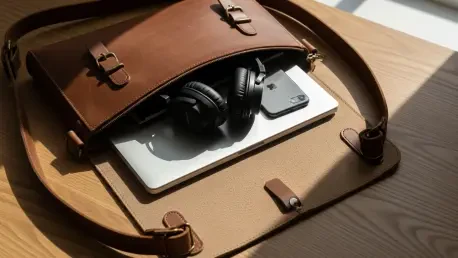
While a high-performance desktop computer can often be assembled for a relatively modest sum, the equivalent power in a mobile format typically demands a financial investment that can leave many consumers questioning the logic of modern hardware pricing. This discrepancy is not merely a matter of

The current landscape of augmented reality has undergone a definitive shift from speculative experimentation to a high-stakes production era characterized by manufacturing maturity and hardened supply chains. By mid-2026, the industry has largely abandoned the pursuit of flashy but impractical
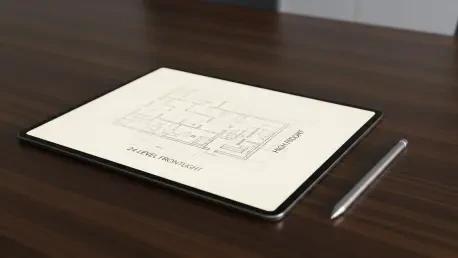
The modern corporate environment is currently defined by a relentless search for tools that can capture the fluid nature of human collaboration without succumbing to the digital distractions of traditional laptops or tablets. While the industry has seen a rise in minimalist e-paper devices designed
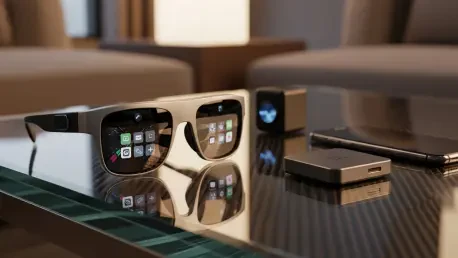
The arrival of a standardized operating system for augmented reality marks the definitive end of the experimental era for wearable technology, as major industry players finally consolidate their efforts. With the official introduction of Project Aura, a collaborative endeavor between XREAL and
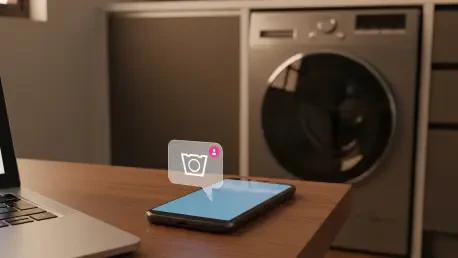
Modern household management often feels like a constant battle against forgotten chores and overlapping schedules, particularly when it comes to the never-ending cycle of laundry. For many individuals, the process of washing clothes is not the issue, but rather the tendency to leave wet garments