
The mobile communication landscape is currently undergoing one of its most significant transformations as Samsung begins the process of retiring its long-standing proprietary messaging application. This strategic pivot, scheduled to commence this July, primarily affects users in the United States
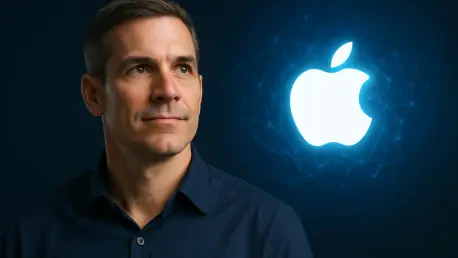
Few corporate handoffs carry stakes this visible, because on Sept. 1 John Ternus will step into the CEO role with a mandate larger than margin protection or supply-chain precision: he must explain, and then ship, an AI vision that fuses Apple’s hardware, software, and services into a daily

Pressed shoulder to shoulder at a festival gate, a wallet wedged in a front pocket and a split-second brush against a stranger, a $2.47 charge later that night, and a nagging question the next morning: did a payment just happen without a tap, a swipe, or even a glance at a screen. Contactless
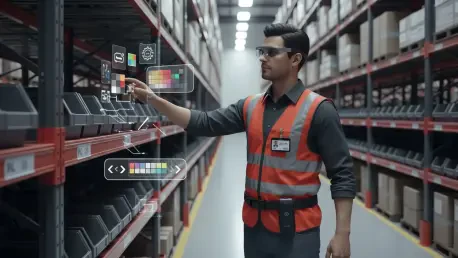
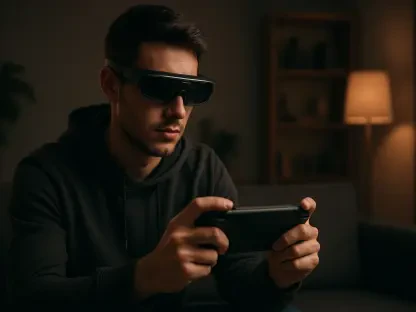
Consumer patience for face-mounted tech collided with a turning point as lighter glasses tried to replace bulky headsets, and that tension shaped which companies earned trust, which features mattered, and which prototypes finally left labs for daily wear. Across the industry, the message sounded

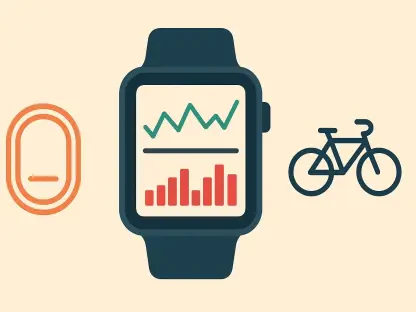
Daily step counts and gentle nudges may seem like simple tricks, yet for older adults trying to stay active the crucial difference-maker often lies not on the wrist but in the relationships that surround it, and a national survey analysis led by Li, Budhathoki, Han, and colleagues put numbers
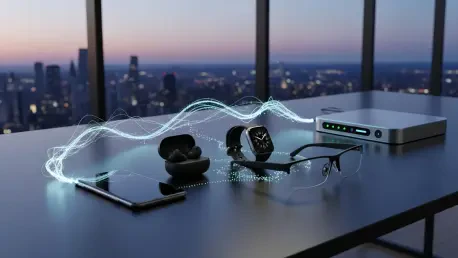
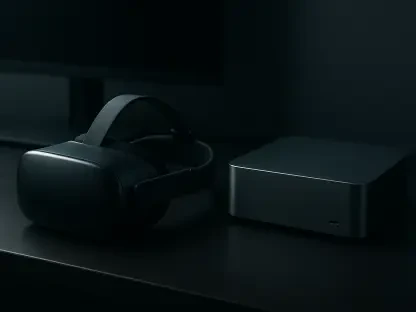
Whispers inside Apple’s labs hint at a quiet upheaval as John Ternus readies a device-first AI play that could reshape how every pocket, wrist, and room experiences intelligence. The longtime hardware chief, credited with guiding AirPods, Apple Watch, and Vision Pro, now stands on the verge of