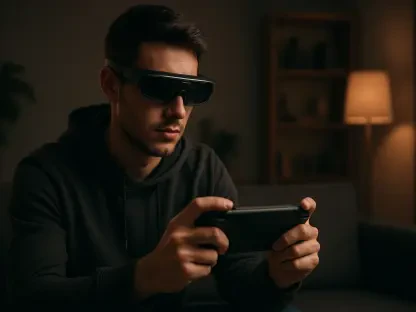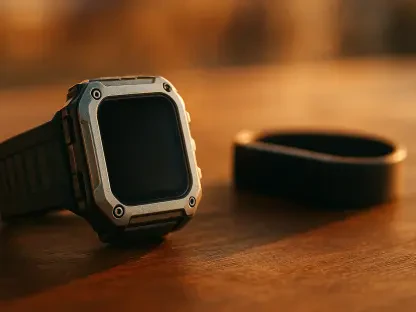

The global landscape for wearable technology is witnessing a profound transformation as traditional hardware manufacturers pivot toward sophisticated spatial computing environments that blend physical and digital realities. This strategic re-entry into the extended reality sector comes at a time

The landscape of mobile computing is currently undergoing its most significant transformation since the introduction of the multi-touch interface, as the focus shifts from visual aesthetics to the deep integration of generative artificial intelligence. The recent Worldwide Developer Conference
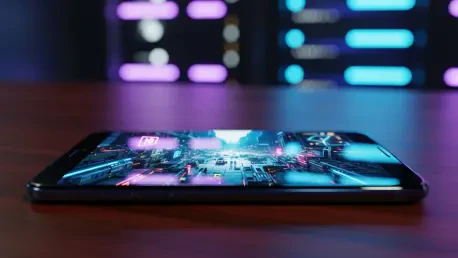
The sheer volume of high-profile mobile titles hitting digital storefronts this June signals a fundamental transformation in how global developers prioritize hardware. Gone are the days when a mobile port was merely a stripped-down afterthought; instead, the current landscape showcases over 40

Integrating sophisticated gaze-prediction algorithms into modern wearable devices has transitioned from a theoretical laboratory exercise to a cornerstone of immersive user interface design. In the current landscape of 2026, the primary challenge for augmented reality developers is not merely

Modern consumers are increasingly rejecting the persistent intrusion of glowing screens in favor of more discreet, integrated health technologies that operate silently in the background of daily life. This shift represents a fundamental pivot in how humanity interacts with personal data, moving

Expectant mothers often face an agonizing wait between clinical appointments, wondering if the subtle changes in fetal movement signify a normal developmental shift or a brewing medical emergency. The current standard of prenatal care has long depended on periodic, clinic-based evaluations that